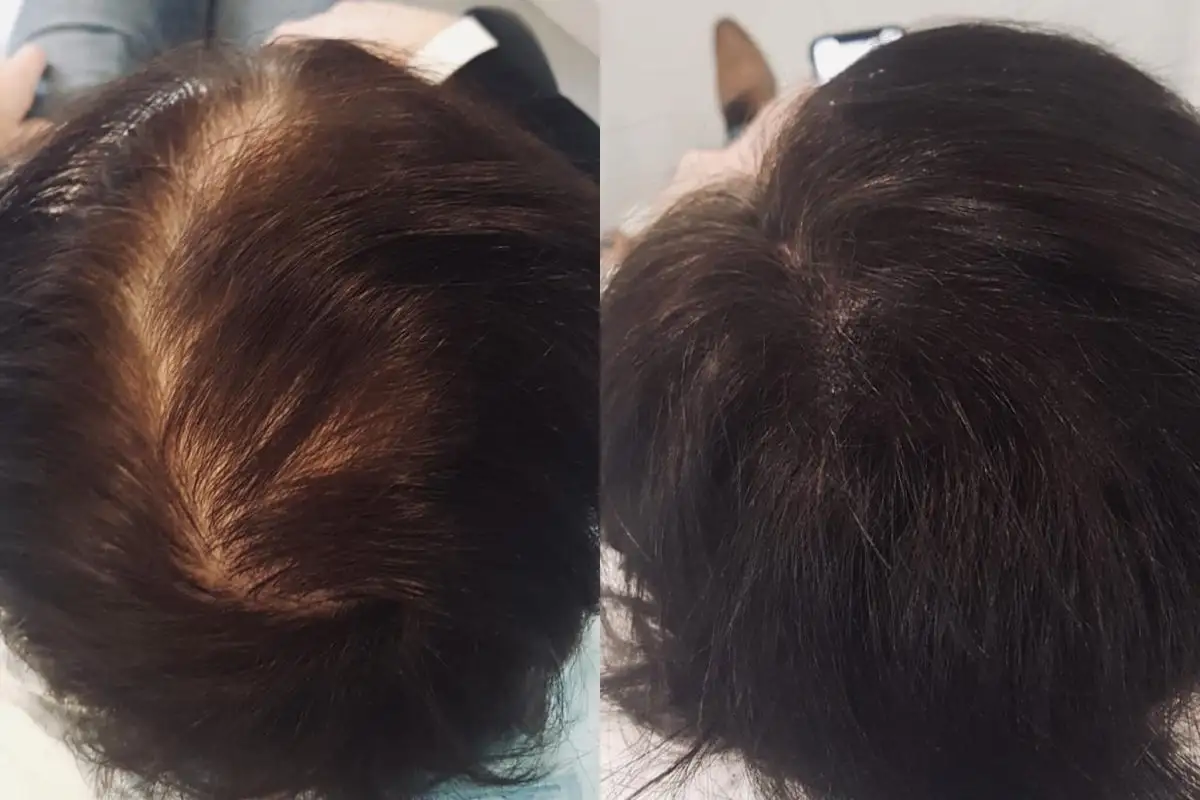


In the realm of cosmetic surgery, hair transplant techniques have revolutionized the way individuals combat hair loss and regain confidence in their appearance. As technology advances and medical expertise evolves, various methods and approaches have emerged, offering individuals a range of options tailored to their specific needs and preferences.
Understanding Hair Loss
The Biology Behind Hair Loss
Hair loss is a common concern for both men and women, influenced by various factors such as genetics, hormonal imbalances, medical conditions, and lifestyle choices. Understanding the underlying causes of hair loss is crucial in determining the most effective treatment approach.
Traditional Hair Transplant Methods
Follicular Unit Transplantation (FUT)
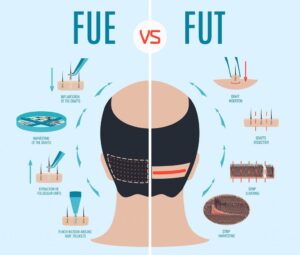
FUT, also known as strip harvesting, involves harvesting a strip of skin from the donor area, typically the back of the scalp, and dissecting it into individual follicular units for transplantation. This method has been a staple in hair restoration for decades, offering reliable results with minimal scarring.
Follicular Unit Extraction (FUE)
FUE involves extracting individual follicular units directly from the donor area using a specialized punch tool. This minimally invasive technique eliminates the need for a linear scar, making it ideal for individuals who prefer shorter haircuts and desire a quicker recovery time.
Advanced Hair Transplant Techniques
Robotic Hair Transplantation
Robotic hair transplantation utilizes advanced robotic technology to assist surgeons in harvesting and transplanting follicular units with unparalleled precision. This innovative approach ensures consistent graft quality and placement, resulting in natural-looking outcomes.
Platelet-Rich Plasma (PRP) Therapy
PRP therapy involves extracting platelets from the patient’s blood and injecting them into the scalp to stimulate hair growth and improve hair follicle health. This adjunctive therapy enhances the results of hair transplant procedures and promotes faster healing.
Read More: Hair Care Rituals and Techniques: Achieve Gorgeous and Healthy Hair
Emerging Trends in Hair Restoration
- Stem Cell Therapy
Stem cell therapy holds promise in regenerating damaged hair follicles and promoting new hair growth. By harnessing the regenerative potential of stem cells, researchers aim to develop groundbreaking treatments for various types of hair loss.
- Laser Therapy
Low-level laser therapy (LLLT) has gained traction as a non-invasive option for promoting hair growth and preventing further hair loss. This painless procedure stimulates cellular activity within the hair follicles, resulting in thicker, healthier hair over time.
Choosing the Right Hair Transplant Technique
Selecting the most suitable hair transplant technique requires careful consideration of factors such as the extent of hair loss, donor hair availability, desired outcomes, and personal preferences. Consulting with a board-certified plastic surgeon or dermatologist is essential in developing a customized treatment plan that aligns with your goals and expectations.
Hair transplant techniques have transformed the landscape of hair restoration, offering hope and confidence to individuals grappling with hair loss. Whether you opt for traditional methods or explore cutting-edge innovations, restoring your hair is not just about reclaiming your appearance—it’s about embracing your self-confidence and living life to the fullest.
FAQ About Hair Transplant Technique:
Q: How long does a hair transplant procedure typically take? A: The duration varies based on the technique and the extent of the procedure. Generally, it ranges from 4 to 8 hours.
Q: Is hair transplant surgery painful? A: Patients may experience mild discomfort during the procedure, but with local anesthesia, discomfort is minimal.
Q: What is the recovery time after a hair transplant? A: Recovery time varies; however, most patients resume normal activities within a week, with full recovery in a few weeks.
Q: Are hair transplant results permanent? A: Yes, the transplanted hair is permanent and continues to grow naturally like the rest of your hair.
Q: Are there any risks associated with hair transplant surgery? A: As with any surgical procedure, there are minimal risks such as infection or scarring, but they are rare with experienced surgeons.
In conclusion, the journey to hair restoration is multifaceted, encompassing scientific advancements, personalized care, and unwavering determination. By staying informed and seeking guidance from qualified professionals, you can embark on a transformative path toward regaining your hair and revitalizing your sense of self.