

Tooth sensitivity can make a cold drink, a hot meal, or brushing uncomfortable. A brief sting may seem easy to dismiss, but repeated symptoms deserve attention because several dental problems can feel similar. If you are looking for help with tooth sensitivity in Muscat, the useful starting point is an assessment of the cause rather than choosing a treatment from the symptom alone.
René Polyclinic lists dentistry services that include fillings, periodontal care, and root canal treatment. Which option is relevant depends on the examination. This guide explains common triggers, everyday care, and the questions to bring to an appointment so you can understand the recommendation.
Why tooth sensitivity happens
The visible crown of a healthy tooth is protected by enamel. The root has another protective covering called cementum. Beneath these layers lies dentine, which contains microscopic channels. When the coverings are damaged or the gums recede, exposed dentine can transmit sensations more readily toward the inside of the tooth.
This mechanism helps explain why temperature, sweetness, or acidity may cause discomfort. However, a sensitive feeling does not confirm that exposed dentine is the only problem. Decay, a crack, a worn filling, or gum disease can also be responsible. The location and pattern of symptoms help a dentist decide what needs investigation.
Notice the pattern before your visit
Describe what happens in everyday language. Say whether one tooth or several are affected and whether discomfort follows cold drinks, hot food, brushing, or chewing. Explain when it began and whether it is becoming more frequent.
- Where do you feel the discomfort?
- What appears to trigger it?
- Does it stop quickly or continue afterward?
- Have you recently had dental work or used whitening products?
A short record is more useful than repeatedly testing a painful tooth.
Include dates in your symptom record.
Common causes of tooth sensitivity
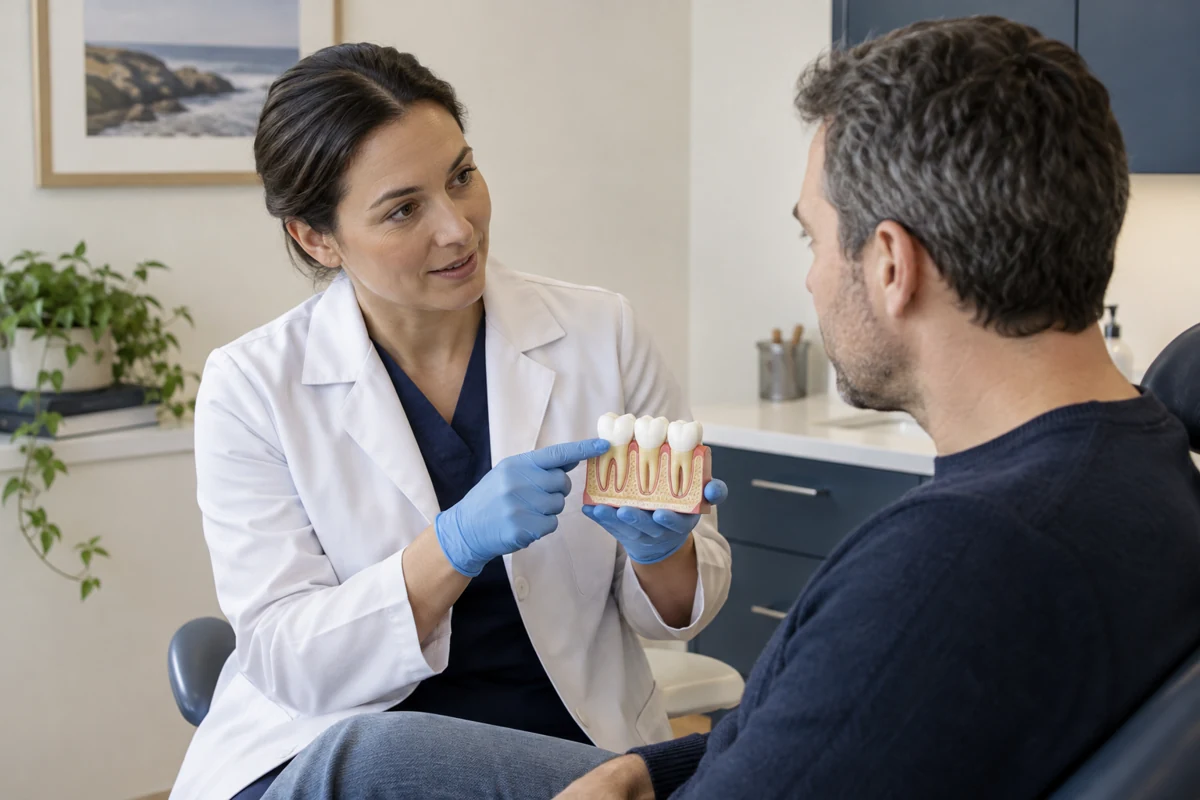
There is no single explanation for every sensitive tooth. Gum recession can expose a root surface, while enamel wear can reduce protection over the crown. Brushing too hard, grinding or clenching, and repeated exposure to acidic foods or drinks may contribute to these problems. Cracked teeth, damaged restorations, and gum disease also need consideration.
Dental decay can initially produce no symptoms. As it develops, it may cause a sharp response to hot, cold, or sweet foods. A visible hole or a white, brown, or dark spot can be another reason for assessment, but appearance alone does not establish the diagnosis. Do not wait for a large cavity to become obvious before asking about persistent symptoms.
A dentist may need to distinguish tooth sensitivity from pain associated with decay, infection, or a damaged tooth. Tell them about older fillings and recent treatment. If a restoration needs attention, the appropriate repair depends on the findings rather than simply covering every area that feels sensitive.
Acid exposure and enamel wear
Acidic drinks and foods can wear enamel, even when they contain little or no sugar. Fizzy drinks, citrus juices, and sour foods are examples to discuss. The American Dental Association advises limiting acidic beverages, rinsing with water afterward, and waiting about an hour before brushing after acidic food or drink.
Think about frequency as well as individual choices. Repeatedly sipping an acidic drink can keep exposing the teeth over an extended period. Ask your dentist how your usual routine may affect your enamel and which changes would be useful.
For tooth sensitivity associated with grinding, discuss clenching, morning jaw discomfort, or known tooth wear. René’s article on teeth grinding and protecting your smile provides related background for that conversation.
Bring photographs of products you have been using.
Daily care for tooth sensitivity
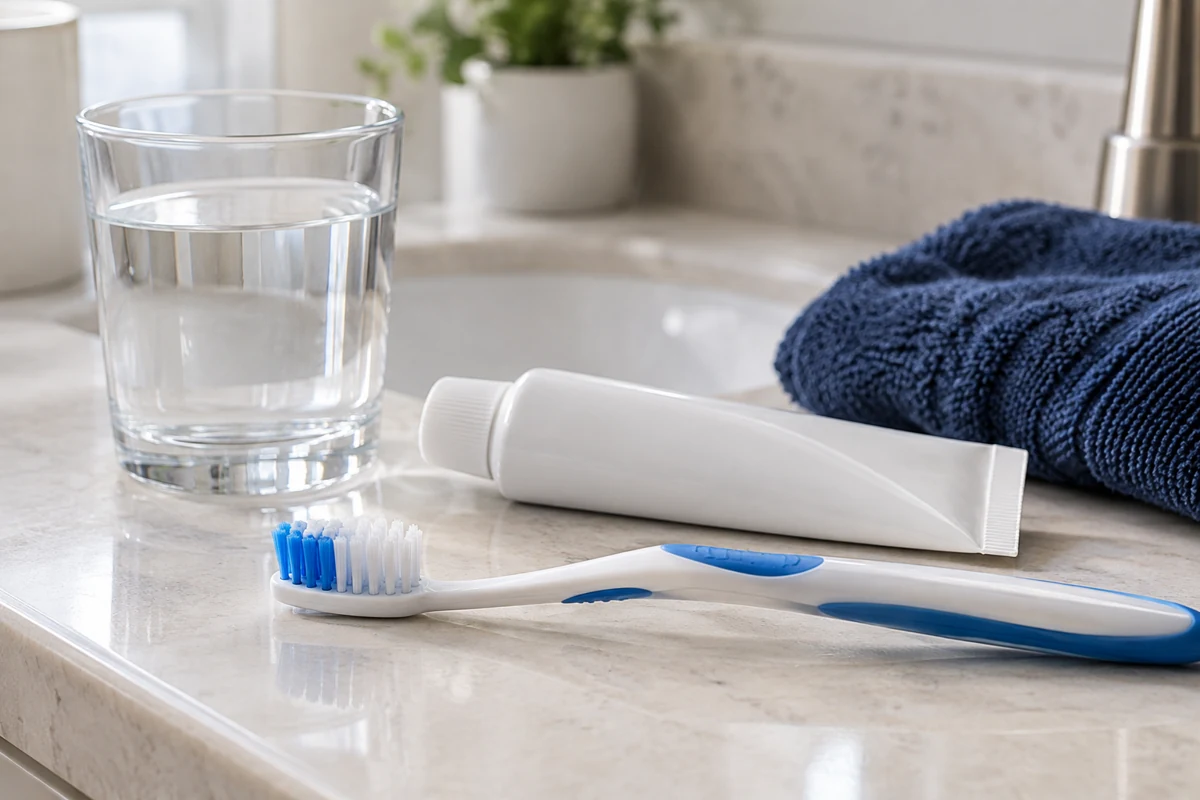
Continue gentle oral care instead of abandoning brushing because it feels uncomfortable. Use a soft toothbrush and ask the dental team to demonstrate suitable pressure and technique. Brush twice daily with fluoride toothpaste and clean between your teeth each day using an appropriate interdental method.
A toothpaste designed for sensitive teeth may help, but it generally needs repeated use. Ask whether one is suitable for you and follow its directions. Relief does not prove that a cavity or crack is absent, so keep an assessment appointment if symptoms persist or are concentrated in one tooth.
- Use gentle brushing pressure and a soft brush.
- Keep up daily cleaning between the teeth.
- Discuss a suitable desensitising toothpaste with your dentist.
- Limit frequent acidic drinks and follow advice about brushing afterward.
- Report symptoms that worsen or continue despite changes.
Tooth sensitivity after whitening is often temporary. Nevertheless, tell your dentist about the product, timing, and symptoms. Avoid starting another whitening course while the cause remains unclear. The NHS advises a dental check of teeth and gums before whitening; René’s bleaching and whitening page describes the related service listed by the clinic.
How treatment is selected
The American Dental Association describes several possible approaches, including desensitising toothpaste, professional fluoride treatment, and restorations that address a defect or decay. Some patients need treatment for gum problems. Severe, persistent symptoms may require a different intervention when other measures are unsuitable.
Ask the dentist which finding explains your tooth sensitivity and what each recommended treatment is intended to achieve. Also ask how the response will be checked and when to return if the first approach does not help. The explanation should connect the proposed care to your examination.
Ask for written instructions so your daily routine follows the agreed dental plan.

When tooth sensitivity needs prompt attention
Arrange a dental assessment if symptoms are severe, start suddenly, affect just one tooth, or persist. Pain when biting, fever, a bad taste, or swelling can indicate a problem that needs timely care rather than another toothpaste trial. Toothache lasting more than two days also warrants dental advice.
A dental abscess is an infection that requires treatment and does not resolve on its own. Seek urgent dental care for suspected infection. Difficulty breathing, swallowing, or speaking, major mouth swelling, or swelling around an eye needs immediate emergency assessment. Do not postpone help because the symptoms first seemed like ordinary tooth sensitivity.
Questions to ask at a dental appointment
- What is the likely cause, and what findings support it?
- Is there decay, a damaged filling, gum recession, or evidence of grinding?
- Which home-care changes are appropriate for my teeth?
- What treatment is recommended, and what alternatives are reasonable?
- When should symptoms improve, and when should I contact you again?
If decay or a restoration problem is identified, ask about the clinic’s tooth filling service. For gum-related findings, the periodontal treatments page is relevant. The root canal treatment page provides information when that option is recommended after assessment; sensitivity alone does not mean it is necessary.
For help with tooth sensitivity in Muscat, use René Polyclinic’s contact page to explain your symptoms and confirm the appropriate appointment. Bring details of your triggers, previous dental work, and products you have tried. A clear assessment helps you choose care directed at the cause and understand how to protect your teeth afterward.
References
- American Dental Association, MouthHealthy: Sensitive teeth
- Oral Health Foundation: Sensitive teeth
- American Dental Association, MouthHealthy: Dietary acids and tooth erosion
- American Dental Association, MouthHealthy: Tooth decay
- NHS: Tooth decay
- NHS: Toothache
- NHS: Dental abscess
- NHS: Teeth whitening