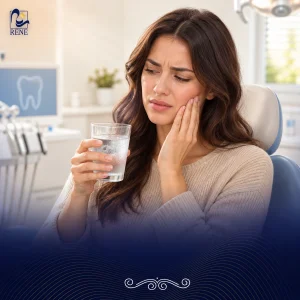


Repeatedly chipped fillings, sore jaw muscles on waking, or a partner noticing grinding sounds at night can be reasons to discuss bruxism with a dentist. Bruxism means grinding or clenching the teeth and can happen while awake or asleep. Some people have little difficulty, while others need help protecting their teeth or managing discomfort. If you are concerned about teeth grinding in Muscat, the first step is an assessment rather than buying a guard or assuming stress explains every symptom. This article explains what to record before your appointment, how a dentist evaluates the problem, and why protecting your smile involves more than simply covering the teeth at night.
Awake clenching and sleep grinding need different attention
Daytime clenching can happen during concentration, driving, or stressful tasks without you noticing. Sleep grinding occurs while you are asleep, so asking yourself to stop is not a complete strategy. Separating the two helps you describe your experience and understand the purpose of different recommendations. For example, an awareness reminder may be helpful during computer work, whereas a dentist may consider an appliance to protect teeth during sleep. Ask whether the concern is observed clenching, suspected grinding, tooth damage, pain, or a combination. That question keeps the discussion focused on the problem that needs attention rather than treating every case as identical.
Signs that deserve a dental check
Possible signs include worn or chipped teeth, damaged fillings, increased sensitivity, and tight or tired jaw muscles. Headaches or facial discomfort can occur too, but they are not enough on their own to prove bruxism. A dentist needs to check for other explanations, including tooth decay or gum problems. If a partner hears grinding, describe when it happens and whether it is frequent. If you notice a broken edge or a filling that repeatedly needs repair, bring that history to the appointment. Looking at the pattern over time is more useful than deciding the diagnosis from one symptom or a photograph of a tooth.
What the dentist may ask and examine
Expect questions about symptoms, their timing, medicines, sleep, and any previous dental treatment. The dentist examines the teeth and may assess the jaw muscles and movement. Be specific about the difference between morning discomfort and pain that increases during the day. Mention whether chewing particular foods is difficult and whether your bite feels different. The National Institute of Dental and Craniofacial Research notes that medical history and examination help with diagnosis. Your role is to provide a clear account rather than demonstrate grinding repeatedly during the visit. Ask what findings support the assessment and whether further evaluation or monitoring would change the proposed plan.
Stress matters but should not become the whole explanation
Stress and anxiety can be associated with grinding, as can sleep problems, smoking, alcohol, caffeine, and some medicines. These links do not mean everyone with bruxism has the same cause. Nor should you stop a prescribed medicine because you suspect a connection. Tell the prescribing clinician and dentist when symptoms started and whether a treatment changed around that time. If you snore, experience breathing pauses noticed by a partner, or struggle with daytime sleepiness, mention this as well. The NHS lists sleep apnoea among conditions linked with teeth grinding. A dental guard does not replace assessment of a possible sleep disorder.
What a night guard can realistically do
A properly fitted mouth guard or splint can help protect teeth against damage from grinding. It should not be presented as a guaranteed cure for the activity itself. Discuss why an appliance is being recommended, what it will cover, when to wear it, and how the fit will be checked. A dentist-made splint is tailored to the mouth; poor fit can create problems with teeth or gums. If you already wear an orthodontic retainer, use dentures, or are undergoing dental work, tell the dentist before choosing an appliance. The right design depends on your circumstances, and follow-up matters as much as the initial fitting.
Living with an appliance without guesswork
Before leaving the clinic, ask for practical instructions on inserting, removing, cleaning, drying, and storing your appliance. Check whether any cleaning products or temperatures should be avoided. Agree on what to do if the appliance becomes uncomfortable, cracks, or no longer fits after dental treatment. Bring it to the appointments specified by your dentist so the fit and condition can be reviewed. A useful appliance plan also includes a contact route for questions. You should not have to decide alone whether a new symptom is an expected adjustment or a reason to stop wearing it and arrange a review.
Building awareness during the day
For awake clenching, a dentist may recommend reminders to relax the jaw and keep the teeth slightly apart at rest. Choose reminders that fit your routine rather than creating constant interruptions. You might use the start of a phone call or the end of an email as a moment to notice jaw tension. Record which situations make clenching more noticeable and discuss them at follow-up. The purpose is to recognize a habit without blaming yourself. If a reminder causes you to spend the whole day checking your bite, simplify the approach and ask for guidance. Small, sustainable changes are easier to evaluate than an elaborate routine abandoned after a few days.
Jaw pain needs its own assessment
Pain around the jaw can involve temporomandibular disorders, known as TMDs, which affect the joints or muscles used for chewing. Bruxism and TMD should not be treated as interchangeable diagnoses. Treatment for jaw pain often begins with conservative measures chosen for the individual. The NIDCR cautions against assuming that permanently changing the teeth or bite will resolve TMD. If extensive bite alteration, crowns, or orthodontics are proposed specifically as a cure for jaw pain, ask about the evidence and simpler alternatives. Cosmetic or restorative dental treatment may have other valid purposes, but those purposes should be explained separately from management of the pain.
Thinking ahead before veneers or crowns
If you are planning a smile makeover, tell the dentist about suspected grinding before the design is finalized. Ask how the plan accounts for wear, previous fractures, and any recommended protection afterward. Discuss the sequence of care: what needs assessment first, which damage needs repair, and when cosmetic decisions should be made. Do not assume a stronger-looking restoration removes the need to investigate the original problem. The useful conversation is about keeping the restored smile functional over time. Ask how maintenance visits will be arranged and what signs should prompt an earlier check, especially if you have already experienced repeated repairs.
Preparing a useful symptom record
For a short period before the appointment, note when discomfort occurs, whether you noticed daytime clenching, and any comments from a sleeping partner. Include changes in medication and previous episodes of broken teeth or fillings. Keep the record brief enough to read together at the consultation. For example, describing morning soreness on several days is more helpful than writing only that your jaw always feels bad. Avoid testing your teeth by biting hard objects or deliberately grinding to reproduce a noise. Bring your existing guard or retainer if you have one. These simple preparations help the dentist connect your experience with the examination findings.
Common questions and the next step
Do all cases need treatment? No. Mild bruxism may need monitoring, while damage or discomfort can justify intervention. Can children grind their teeth? Yes; concerns should be assessed by a dentist rather than managed with an adult appliance. Does a guard stop stress-related clenching during work? A night appliance and daytime habit management have different roles. Can one visit settle every question? Sometimes monitoring or referral is needed. If you have persistent symptoms or repeated tooth damage, contact René Polyclinic in Muscat to discuss a dental assessment. Aim to leave with an explanation of the findings, the purpose of each recommendation, and a clear follow-up plan.
Sources
National Institute of Dental and Craniofacial Research — Bruxism
Leeds Teaching Hospitals NHS Trust — Clenching and grinding your teeth
National Institute of Dental and Craniofacial Research — Temporomandibular disorders