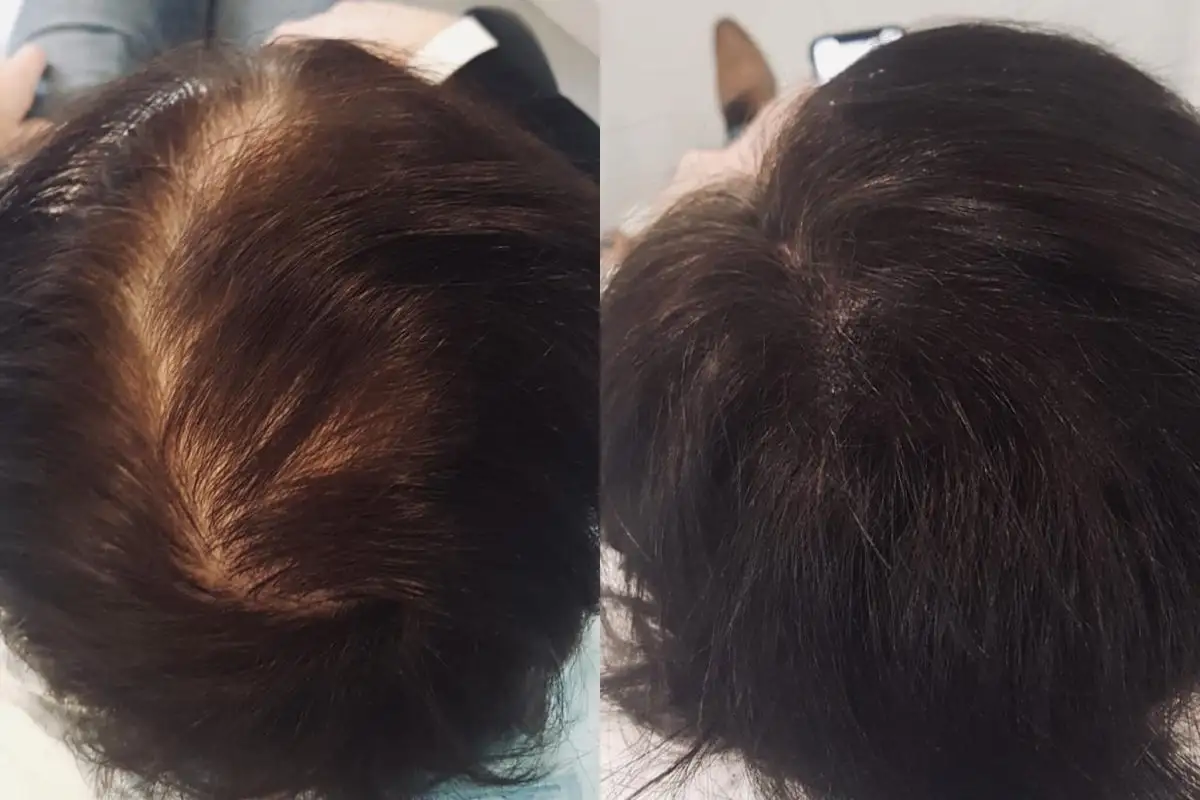

Facial pigmentation can be frustrating when a patch fades during treatment and becomes noticeable again after time outdoors. Melasma is one possible explanation, particularly when discoloration appears across both cheeks, the forehead, or the upper lip. However, not every brown mark is melasma, and choosing a treatment before identifying the cause can lead to unnecessary expense or irritation. For people seeking advice about melasma in Muscat, the most useful starting point is a skin assessment followed by a manageable daily plan. This guide explains how diagnosis, light protection, prescribed treatment, and follow-up fit together, and why lasting improvement usually requires ongoing care rather than a single cosmetic session.
Recognizing the pattern without diagnosing yourself
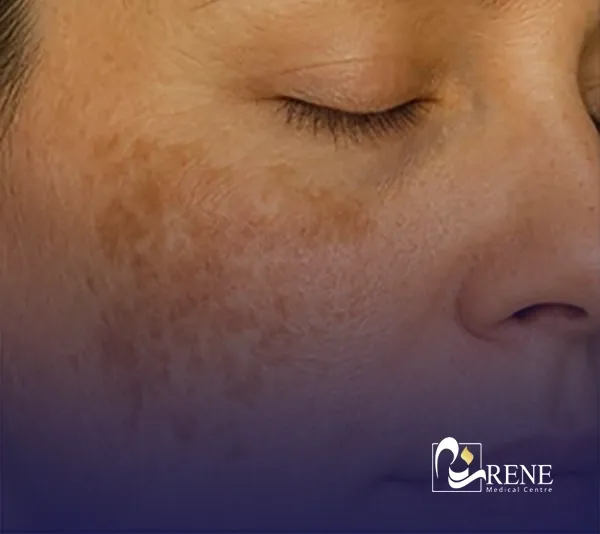
Melasma produces patches that are darker than the surrounding skin. They commonly appear on both sides of the face, although the distribution and shade vary. The condition itself generally does not cause pain or itching. A patch that is sore, bleeding, changing rapidly, or noticeably different from other marks deserves medical assessment instead of an assumption that it is routine pigmentation. The American Academy of Dermatology describes melasma as a visible condition that can affect confidence even when the skin feels normal. Knowing the usual pattern can help you describe your concern, but photographs and online comparisons cannot confirm what is happening in your own skin.
Melasma produces patches that are darker than the surrounding skin. They commonly appear on both sides of the face, although the distribution and shade vary. The condition itself generally does not cause pain or itching. A patch that is sore, bleeding, changing rapidly, or noticeably different from other marks deserves medical assessment instead of an assumption that it is routine pigmentation. The American Academy of Dermatology describes melasma as a visible condition that can affect confidence even when the skin feels normal. Knowing the usual pattern can help you describe your concern, but photographs and online comparisons cannot confirm what is happening in your own skin.
Why the diagnosis changes the treatment plan
Pigmentation after acne, sun-related spots, and melasma may look similar to someone examining their face in a mirror. They do not necessarily need the same treatment. A dermatologist assesses the appearance, medical history, and possible triggers, sometimes using a dermatoscope or other examination tools. In uncertain cases, further investigation may be needed. Avoid arriving with a fixed demand for a particular laser or peel. A better question is whether the proposed treatment addresses the diagnosed condition and suits your skin tone. Understanding that distinction makes the consultation more useful and allows you to evaluate a recommendation on its clinical purpose rather than its popularity.
Pigmentation after acne, sun-related spots, and melasma may look similar to someone examining their face in a mirror. They do not necessarily need the same treatment. A dermatologist assesses the appearance, medical history, and possible triggers, sometimes using a dermatoscope or other examination tools. In uncertain cases, further investigation may be needed. Avoid arriving with a fixed demand for a particular laser or peel. A better question is whether the proposed treatment addresses the diagnosed condition and suits your skin tone. Understanding that distinction makes the consultation more useful and allows you to evaluate a recommendation on its clinical purpose rather than its popularity.
Light protection is part of treatment
For melasma, daily protection from sunlight is a central part of management. Broad-spectrum sunscreen with SPF 30 or higher, shade, and protective clothing work together. Tinted sunscreen containing iron oxides can also help protect against visible light, which may worsen melasma, particularly in darker skin tones. Reapply sunscreen when outdoors, generally at least every two hours and after swimming or sweating as directed by its label. Choose a texture and shade you can wear consistently. An expensive product left unused provides little practical value. The goal is a repeatable habit that supports the rest of the treatment plan.
For melasma, daily protection from sunlight is a central part of management. Broad-spectrum sunscreen with SPF 30 or higher, shade, and protective clothing work together. Tinted sunscreen containing iron oxides can also help protect against visible light, which may worsen melasma, particularly in darker skin tones. Reapply sunscreen when outdoors, generally at least every two hours and after swimming or sweating as directed by its label. Choose a texture and shade you can wear consistently. An expensive product left unused provides little practical value. The goal is a repeatable habit that supports the rest of the treatment plan.
Making protection workable in Muscat
Think about your actual week rather than designing a routine around an ideal day spent indoors. Do you walk between buildings, drive to appointments, spend weekends outside, or exercise outdoors? These details help you plan where to keep sunscreen and when to renew it. A small supply in a work bag may be more useful than keeping every product in a bathroom cabinet. Consider a hat that is comfortable enough to use and sunglasses suited to outdoor activity. If a product leaves a visible cast, ask about alternatives instead of quietly abandoning it. Practical planning makes it easier to follow the medical advice already given, especially when your schedule changes.
Prescribed creams need clear instructions
Depending on the assessment, treatment may include hydroquinone, a combination cream, or another topical medicine such as azelaic acid. The choice should account for tolerability and individual circumstances. Ask where to apply the product, how often to use it, how long the initial course should last, and which reactions require a call to the clinic. Avoid assuming that applying more produces faster improvement. Pregnancy, breastfeeding, current medicines, and previous reactions should be discussed before starting treatment. Availability and prescribing rules differ between countries, so advice about a product being sold without prescription elsewhere should not determine how you use it in Oman.
Depending on the assessment, treatment may include hydroquinone, a combination cream, or another topical medicine such as azelaic acid. The choice should account for tolerability and individual circumstances. Ask where to apply the product, how often to use it, how long the initial course should last, and which reactions require a call to the clinic. Avoid assuming that applying more produces faster improvement. Pregnancy, breastfeeding, current medicines, and previous reactions should be discussed before starting treatment. Availability and prescribing rules differ between countries, so advice about a product being sold without prescription elsewhere should not determine how you use it in Oman.
A simpler routine can be easier to follow
Once a prescription has been provided, organize your skin care around that plan. A gentle cleanser, suitable moisturizer, and sunscreen may be enough alongside the prescribed treatment. Fragrance-free products are often preferable when irritation is a concern. Burning and stinging are reasons to review a product, not proof that pigmentation treatment is working. Irritation can contribute to dark marks. Keep a list of what you apply, including occasional exfoliants and products used only at weekends. Bringing that list to a review helps the clinician identify unnecessary overlap and makes it easier to change one part of the routine at a time.
Once a prescription has been provided, organize your skin care around that plan. A gentle cleanser, suitable moisturizer, and sunscreen may be enough alongside the prescribed treatment. Fragrance-free products are often preferable when irritation is a concern. Burning and stinging are reasons to review a product, not proof that pigmentation treatment is working. Irritation can contribute to dark marks. Keep a list of what you apply, including occasional exfoliants and products used only at weekends. Bringing that list to a review helps the clinician identify unnecessary overlap and makes it easier to change one part of the routine at a time.
Where procedures and oral medicines may fit
Procedures can be considered for selected patients, but they are not automatically the first step. The AAD’s 2026 discussion of melasma management emphasizes cautious escalation and maintenance. Some lasers may worsen pigmentation if poorly selected or used too aggressively. Oral tranexamic acid is another option sometimes considered for resistant melasma, with careful medical screening because clotting risk and other circumstances matter. Ask what benefit is expected beyond your existing routine, what could go wrong, and what care is required afterward. The relevant decision is whether the additional treatment is appropriate for you, rather than whether a procedure has produced an impressive photograph for someone else.
Procedures can be considered for selected patients, but they are not automatically the first step. The AAD’s 2026 discussion of melasma management emphasizes cautious escalation and maintenance. Some lasers may worsen pigmentation if poorly selected or used too aggressively. Oral tranexamic acid is another option sometimes considered for resistant melasma, with careful medical screening because clotting risk and other circumstances matter. Ask what benefit is expected beyond your existing routine, what could go wrong, and what care is required afterward. The relevant decision is whether the additional treatment is appropriate for you, rather than whether a procedure has produced an impressive photograph for someone else.
Tracking progress without chasing daily changes
If you and your clinician decide to monitor photographs, make them comparable. Use a similar room, distance, angle, and lighting, and avoid judging a photograph taken with makeup against one taken without it. A short note about the products you used and any irritation can be more informative than a large collection of selfies. Discuss a realistic review interval at the appointment. Improvement may be gradual, and melasma can relapse. A maintenance plan should explain what to continue when the skin looks better. Stopping everything because the patches have faded can leave you without a strategy when they become noticeable again.
If you and your clinician decide to monitor photographs, make them comparable. Use a similar room, distance, angle, and lighting, and avoid judging a photograph taken with makeup against one taken without it. A short note about the products you used and any irritation can be more informative than a large collection of selfies. Discuss a realistic review interval at the appointment. Improvement may be gradual, and melasma can relapse. A maintenance plan should explain what to continue when the skin looks better. Stopping everything because the patches have faded can leave you without a strategy when they become noticeable again.
Questions that help you assess a recommendation
Before agreeing to a course of treatment, ask the clinician to explain the diagnosis in ordinary language. Clarify which part of the plan is essential, which is optional, and how the response will be reviewed. Discuss the full cost, including follow-up and any recommended home products, rather than the price of a single session. Ask whether the expected benefit is fading the patches, maintaining improvement, or addressing a different concern such as texture. If several treatments are proposed together, ask why each is needed. You should leave with a plan you can describe clearly and follow without guessing about the order or purpose of the steps.
Common questions about melasma
Can men develop melasma? Yes. Although it is more common in women, men can also have it. Is melasma contagious? It is a pigmentation disorder, so it is not something you catch from another person. Can makeup be used while waiting for improvement? Camouflage makeup is an option, provided it fits your skin care plan and does not irritate the skin. Does recurrence mean the treatment was useless? Not necessarily. Melasma can be persistent and requires realistic maintenance expectations. Ask your dermatologist how to respond to a flare instead of restarting an old prescription or adding several new products on your own. [1,2,5]
Can men develop melasma? Yes. Although it is more common in women, men can also have it. Is melasma contagious? It is a pigmentation disorder, so it is not something you catch from another person. Can makeup be used while waiting for improvement? Camouflage makeup is an option, provided it fits your skin care plan and does not irritate the skin. Does recurrence mean the treatment was useless? Not necessarily. Melasma can be persistent and requires realistic maintenance expectations. Ask your dermatologist how to respond to a flare instead of restarting an old prescription or adding several new products on your own.
Taking the next step
If facial pigmentation is affecting your confidence, consider a consultation at René Polyclinic in Muscat to discuss your skin concerns and available assessment options. Bring photographs showing how the marks have changed, your current products, and a brief record of previous treatments. The most useful outcome is a clear diagnosis and a plan that fits your daily life. You do not need to choose a procedure before the appointment. Better decisions begin with knowing what is being treated, understanding the limits of improvement, and having a practical way to maintain the result. This article provides general education; an individual treatment plan requires clinical assessment.
Sources
[1] American Academy of Dermatology — Melasma signs and symptoms
American Academy of Dermatology — Melasma signs and symptoms
[2] American Academy of Dermatology — Melasma diagnosis and treatment
American Academy of Dermatology — Melasma diagnosis and treatment
[3] American Academy of Dermatology — Melasma self-care
American Academy of Dermatology — Melasma self-care
[4] American Academy of Dermatology — How to fade dark spots in darker skin tones
American Academy of Dermatology — How to fade dark spots in darker skin tones
[5] American Academy of Dermatology — Optimizing melasma management March 2026
American Academy of Dermatology — Optimizing melasma management March 2026