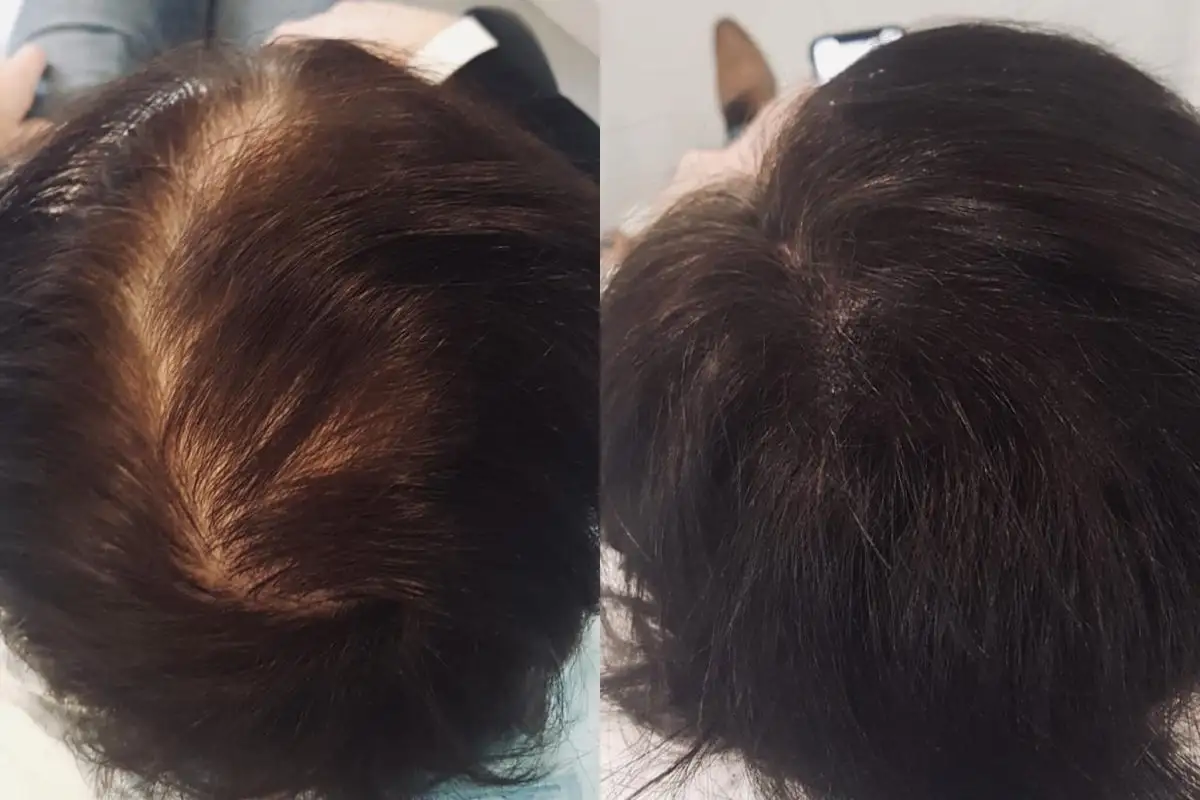


Finding more hair than usual in the shower or on a brush can be alarming, especially when the change seems sudden. It is easy to assume that permanent baldness has begun and to look immediately for injections, supplements, or a transplant. However, increased shedding sometimes reflects a temporary disruption of the hair cycle called telogen effluvium. For people seeking advice about sudden hair shedding in Muscat, diagnosis should come before choosing a procedure. This guide explains the delayed relationship between a trigger and shedding, what a consultation can clarify, and how to monitor recovery without turning daily hair care into a constant source of worry.
Understanding the delay after a trigger
Hair follicles move through a cycle rather than growing continuously at the same rate. In telogen effluvium, more follicles than usual enter the resting and shedding stage. The increased fall often becomes noticeable around three months after a trigger, which can make the connection difficult to recognize. Possible triggers include childbirth, a major illness, surgery, severe stress, or marked weight loss and extreme dieting. Sometimes no clear cause is found. The important point is that what you see today may relate to an event several months earlier. Describe that wider timeline at the appointment instead of considering only the shampoo or product you started last week.
Shedding and progressive thinning are different questions
Temporary shedding and hereditary hair loss can look similar to someone noticing less volume. They can also occur together. The American Academy of Dermatology distinguishes excessive shedding from other causes of hair loss and recommends assessment when the pattern is unclear. A widening part, a receding hairline, patchy loss, and diffuse shedding give different clues, but none should be diagnosed from a short online checklist alone. Ask the clinician whether the concern is one condition or more than one. This matters because a plan intended for hereditary thinning is not automatically the right response to an episode of temporary shedding after an illness.
Build a timeline before the consultation
Write down when you first noticed the change and whether it affected the whole scalp or a particular area. Look back over the preceding months for illness, childbirth, surgery, major dietary changes, or changes in medicine. Include older photographs if they show the usual appearance of your hair. You do not need a perfect explanation before attending; the timeline is a tool for discussion, not a diagnosis. If you cannot remember an exact date, an approximate month is still useful. Keep the account brief enough to review together and separate what you observed from what you suspect caused it.
What the clinician may examine
A hair assessment usually includes questions about the history and examination of the scalp and hair. Depending on the findings, a clinician may consider tests for issues such as iron deficiency or thyroid problems. Further investigation is not necessary in every case, and a large panel of tests is not automatically more informative. Ask why a test is being recommended and how the result would change the plan. The AAD notes that examination can uncover more than one cause of hair loss. If you have discomfort, scaling, changes in another hairy area, or previous scalp treatment, mention these details instead of focusing only on the amount in your brush.
Why supplements should follow evidence
Hair supplements can appear reassuring because they offer something immediate to do. However, a supplement is most useful when it addresses a demonstrated need. The AAD advises against taking iron, biotin, or zinc simply because hair is shedding when levels are normal; excessive intake can be harmful. Tell the clinician what you already take, including products marketed for hair, skin, and nails. Bring the label rather than relying on the product name alone. If a deficiency is found, ask about the dose, duration, and follow-up. Correcting an identified problem is different from adding several supplements without knowing what they are meant to change.
Gentle hair care supports a manageable routine
Use a routine that minimizes unnecessary damage to the hair you have. Gentle washing, conditioner, careful detangling, and avoiding repeated heat or tight styles can help reduce breakage. These steps should not be advertised as a cure for the underlying shedding process. The AAD’s self-care guidance encourages appropriate hair care alongside assessment of the cause. If washing feels upsetting because loose hairs become visible, discuss that concern rather than reducing cleansing indefinitely. Ask what routine suits your scalp and current treatments. A simple approach is easier to maintain and evaluate than frequently changing shampoos, oils, and styling products in search of an immediate result.
Recovery needs realistic expectations
Telogen effluvium often improves after the trigger has resolved, but reduced shedding and restored volume are different milestones. Hair takes time to grow, so noticing fewer loose hairs does not mean the previous length or thickness will return immediately. The British Association of Dermatologists explains that shedding commonly lasts several months and that longer-lasting shedding may need reassessment. Your clinician should discuss what course is plausible for your situation and what would suggest another cause or an ongoing trigger. Agree on a review date rather than relying on a promise of complete recovery by a particular event or season.
Monitor the pattern without counting every strand
Counting every hair can become difficult to interpret because washing schedules and styling vary. If photographs are useful, take them under similar conditions and at intervals agreed with your clinician. Use the same parting, camera angle, and lighting so that changes in the photograph do not simply reflect how it was taken. Keep a brief note of symptoms and treatment changes. For example, a photograph taken after a salon blow-dry is not directly comparable with wet hair under bright bathroom light. A manageable record is intended to support the consultation. It should not require you to inspect your scalp repeatedly throughout the day or interrupt ordinary activities.
Procedures should answer a diagnosed problem
René Polyclinic lists hair restoration services, but deciding whether to consider a procedure requires understanding the type of hair loss first. A transplant is not a routine solution for temporary shedding. The AAD discusses transplantation in the context of suitable hereditary hair loss, while telogen effluvium often improves without a hair growth procedure. If an intervention is proposed, ask which diagnosis it addresses, what evidence supports its use in your case, and whether observation or treatment of an underlying issue is more appropriate. The availability of a procedure should not determine the diagnosis. Your assessment should determine which options deserve consideration.
Avoid changing prescribed medicines yourself
If shedding began after a medication change, bring the timing to your clinician’s attention. Do not stop treatment abruptly or assume the connection is certain. The AAD recommends discussing suspected medicine-related hair loss with the treating doctor because stopping some treatments can have serious consequences. Ask who should review the medication and whether an alternative is appropriate. It may help to write down why the medicine was prescribed and when the dose changed. A coordinated discussion allows the hair concern to be addressed while protecting the condition for which the medication was originally needed. The next step should be explicit rather than left to guesswork.
Common questions about sudden shedding
Does shedding after an illness always mean telogen effluvium? No; the history and examination still matter. Is it the same as permanent baldness? No, temporary shedding and progressive hair loss are different processes, although they can coexist. Does everyone need blood tests? No; testing depends on the assessment. Can a hair product guarantee regrowth? No product can responsibly promise that outcome without knowing the cause. What if shedding continues? Arrange the agreed follow-up so the diagnosis and possible triggers can be reviewed. It is reasonable to seek help early if the change is distressing, rather than waiting until you feel able to explain it yourself.
Getting clarity before choosing treatment
For sudden hair shedding in Muscat, consider contacting René Polyclinic to discuss a hair or scalp assessment and the appropriate next step. Bring your timeline, medication and supplement list, and a small number of comparable photographs. Ask what diagnosis is most likely, what remains uncertain, and how the plan will be reviewed. The aim is to replace a cycle of buying products with a clear explanation and a practical response. Temporary shedding can be unsettling, but an assessment can help separate the need for reassurance and monitoring from conditions that require specific treatment. General information should support that decision, not substitute for it.
Sources
British Association of Dermatologists — Telogen effluvium patient information
American Academy of Dermatology — Do you have hair loss or hair shedding
American Academy of Dermatology — Hair loss diagnosis and treatment
American Academy of Dermatology — Hair loss tips for managing