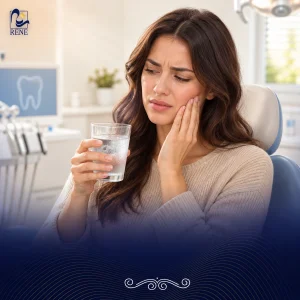


A dry mouth can turn ordinary activities into uncomfortable ones. You may need water to speak comfortably, find dry food difficult to swallow, or wake with a sticky feeling in your mouth. Occasionally this follows a busy day or inadequate fluid intake, but ongoing symptoms deserve more attention than repeatedly reaching for a drink. People seeking help for dry mouth in Muscat can benefit from both dental and medical assessment, depending on the cause. This guide explains why saliva matters, what information to bring to an appointment, and how to build a plan that addresses comfort while protecting the teeth. Persistent dryness is a symptom to investigate rather than simply accept.
Saliva supports more than comfort
Saliva helps with chewing, swallowing, and maintaining a healthy mouth. When dryness persists, the risk of tooth decay and some oral infections can increase. A mouth that feels dry may also develop soreness, bad breath, or difficulty tasting and speaking. These problems can affect food choices and daily confidence. The National Institute of Dental and Craniofacial Research emphasizes that dry mouth is not a normal part of aging. Even if symptoms began as you got older, it is worth discussing medicines and health conditions instead of assuming nothing can be done. An assessment can identify what requires investigation and what can be managed with practical support.
Heat and dehydration are only part of the picture
Dehydration can contribute to dryness, particularly after sweating or illness, but it is not the only explanation. Mouth breathing at night, anxiety, and certain treatments or medicines can also play a role. Persistent symptoms may sometimes be associated with conditions such as diabetes or Sjögren’s disease. This does not mean a dry mouth automatically indicates a serious illness. It means that context matters. Notice whether the dryness is occasional or continuous, whether it mainly occurs on waking, and whether there are other symptoms. In Muscat, it may be tempting to blame every episode on outdoor heat, but symptoms that continue despite simple measures should still be reviewed.
Your medication list is useful clinical information
Many medicines can cause dry mouth. Bring a current list that includes prescriptions, medicines bought without prescription, and supplements. Include when each was started or changed if you know. Do not stop an important medicine on your own to test whether the dryness improves. A prescribing clinician can consider whether an adjustment or alternative is appropriate. For the appointment, a photograph of the packaging may be useful if you are unsure of the exact product name. Tell the dentist about cancer treatment or other relevant medical care as well. A clear medication history can make the assessment more efficient and helps avoid recommendations that overlook your wider health needs.
What to expect from an assessment
A dentist or doctor will usually ask about the symptoms, medical history, and medicines, then examine the mouth. Depending on the findings, tests such as blood tests or measurement of saliva production may be considered. The important question is what a proposed test is intended to clarify. Ask whether the immediate priority is managing discomfort, investigating an underlying cause, or protecting against dental complications. Sometimes both a dental plan and medical follow-up are appropriate. Before leaving, confirm who is coordinating the next step and how the results will be discussed. This avoids a situation in which you have advice from several places but no clear plan.
Relief products need to suit your mouth
Pharmacies may offer gels, sprays, or lozenges intended to keep the mouth moist. Ask a pharmacist or clinician which product is suitable for your circumstances rather than choosing by flavour alone. Some products are inappropriate for particular patients, and acidic saliva substitutes should be avoided when you have natural teeth. Keep the packaging so you can report exactly what you tried and whether it helped. If a product stings, feels uncomfortable, or provides little relief, mention that at review. Symptom relief is useful, but it should not become a reason to postpone assessment when persistent dryness is affecting eating or speaking.
Creating a practical daily comfort routine
Regular small sips of water may help, and water with meals can make eating more comfortable. Sugar-free gum or suitable sugar-free sweets can stimulate saliva for some people. Discuss whether these options suit you, especially if chewing is uncomfortable or swallowing is difficult. Avoid turning relief into frequent use of sugary drinks or sweets. Limit alcohol and tobacco, and consider whether large amounts of caffeine worsen your symptoms. There is no need to adopt a rigid water target from a general article; follow individual medical advice if you have been told to restrict fluids. The aim is a comfortable, sustainable routine matched to your health circumstances.
Protecting teeth while symptoms are being investigated
Dry mouth makes preventive dental care particularly relevant. Continue brushing twice daily with fluoride toothpaste and ask your dentist whether you need additional fluoride protection or a different review schedule. If your mouth is sore, discuss a gentler product rather than abandoning cleaning. NHS professional guidance highlights chronic dryness as a risk factor for decay and notes that some patients may benefit from toothpaste without sodium lauryl sulphate when soreness is a concern. Any extra product should have a clear purpose and instructions. Ask how to use it alongside your existing routine so that adding several products does not make daily care confusing.
Meals and social situations deserve attention too
Think about where dryness causes the most difficulty. Is it a long meeting, a meal with friends, a phone call, or the middle of the night? Tell the clinician because these details make advice more practical. You could plan access to water during meetings or choose meals that are easier for you to eat while the cause is being assessed. Avoid forcing yourself to continue with foods that burn or feel uncomfortable. If eating becomes difficult enough that you are reducing meals, seek medical advice. The NHS specifically recommends assessment when dryness affects talking or eating. Comfort and nutrition are relevant outcomes, not minor details outside the treatment plan.
Symptoms that should prompt a review
Arrange medical or dental advice if dryness persists for several weeks despite simple relief measures, or if there is pain, redness, swelling, bleeding, or sore white patches. Also mention dry eyes, unusually frequent urination, persistent taste changes, and difficulty eating regularly. These details help guide investigation but do not establish a diagnosis by themselves. If symptoms are worsening, do not wait until every home product has been tried. Make a short note of when the problem began and what has changed. A review is an opportunity to reassess the cause as well as adjust the relief plan; it is not merely a request for a stronger mouthwash.
Keeping a useful record between visits
Use a simple daily note rather than repeatedly rating every sensation. Record when dryness is most noticeable, whether you woke needing water, and which relief products you used. Write down any difficulty with meals or speaking. If your clinician changes one part of the plan, make a note of the date so you can discuss what happened afterward. Bring the record to follow-up together with your medication list. This approach helps you explain the pattern without relying on memory during a short appointment. Ask what improvement to watch for and when to return if it does not occur. A good plan includes both the next action and a review point.
Common questions about dry mouth
Is dryness always caused by drinking too little? No; medicines, mouth breathing, and health conditions are among other possibilities. Can someone have dry mouth even when they drink water regularly? Yes, so persistent symptoms still deserve attention. Should you stop a suspected medicine? No, discuss it with the prescriber. Is a pharmacy spray a complete treatment? It may relieve symptoms, but the underlying cause and dental risk may still need assessment. Does dry mouth mean you have diabetes? No. A clinician considers the full history and any necessary tests rather than making that conclusion from one symptom. Keep the discussion focused on your actual pattern and circumstances.
Getting a coordinated plan in Muscat
If dryness is affecting your daily life, contact René Polyclinic in Muscat to discuss a dental consultation and any appropriate medical follow-up. Bring your medication list, the names of relief products you have tried, and a brief symptom record. Ask for a plan that covers immediate comfort, tooth protection, and investigation where needed. The best result is not simply receiving another product; it is understanding what to do next and how progress will be reviewed. Persistent dry mouth can be uncomfortable, but you do not have to manage it through trial and error alone. Individual advice should account for your oral health and medical needs.
Sources
National Institute of Dental and Craniofacial Research — Dry mouth