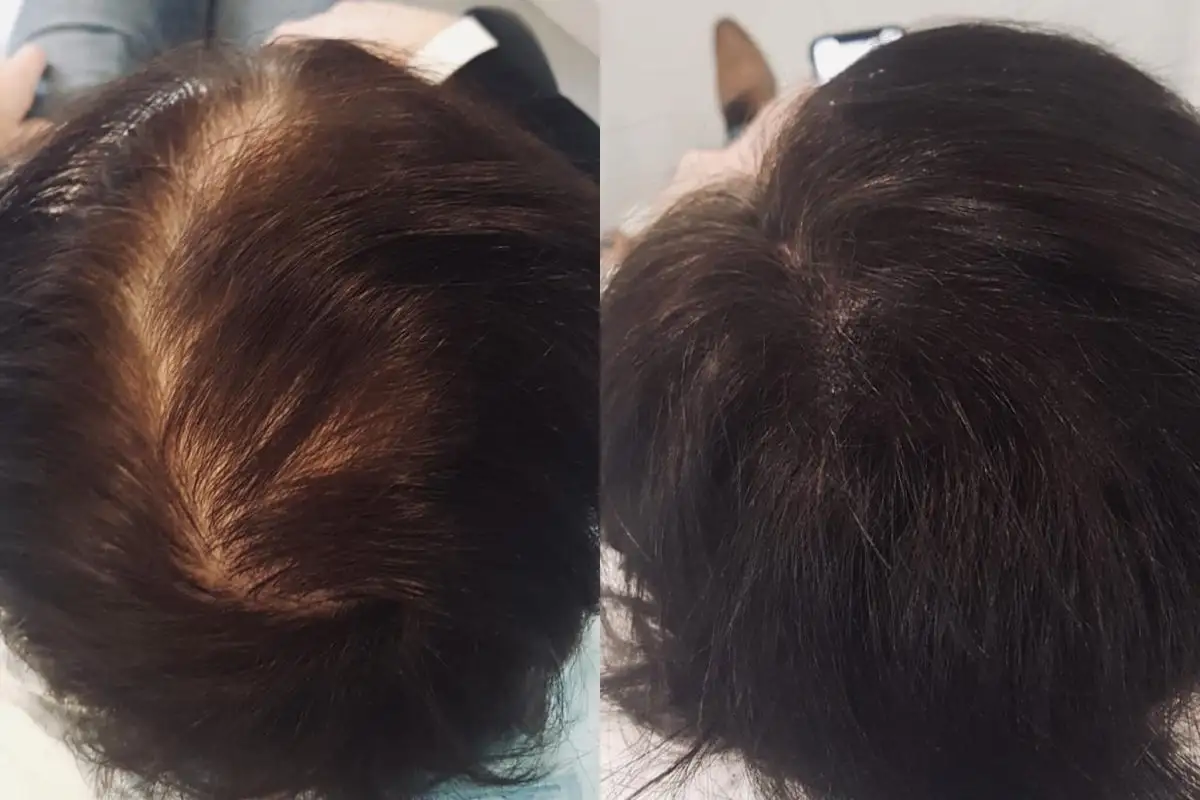

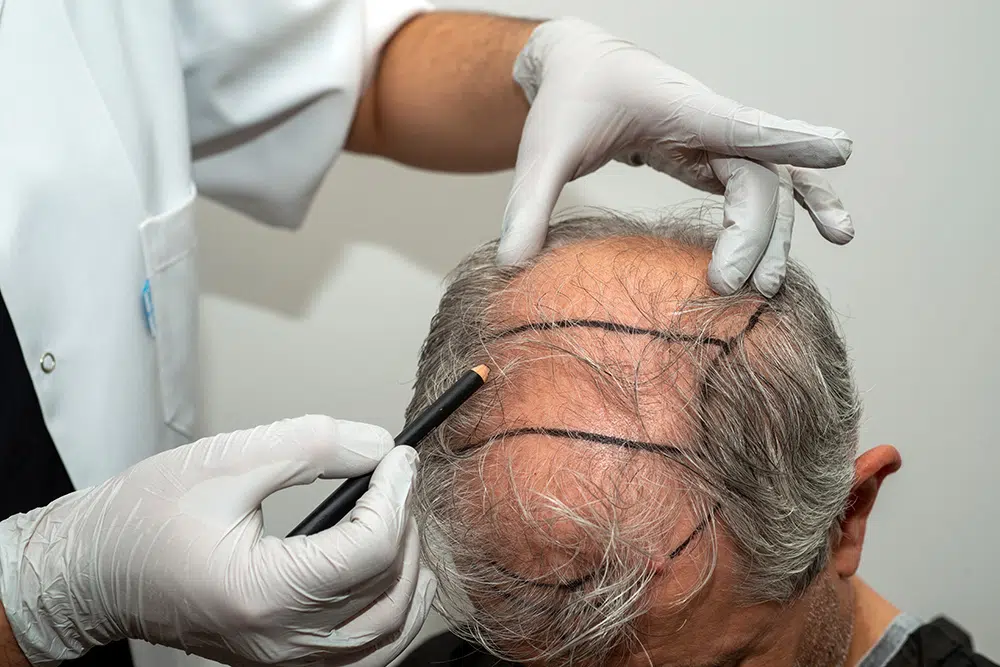
Hair transplant surgery is a highly effective solution for restoring hair and confidence, but like any medical procedure, it comes with potential side effects and risks. At [Your Clinic Name], we believe in providing our patients with comprehensive information to make informed decisions about their treatment. In this article, we’ll delve into the possible side effects of hair transplant surgery, along with steps to minimize their occurrence and ensure a safe, successful procedure.
Common Side Effects of Hair Transplant Surgery
1. Swelling and Bruising
After hair transplant surgery, it’s common to experience swelling and bruising around the donor and recipient areas. This is a natural response to the trauma of surgery and typically resolves within a few days to a week.
2. Pain and Discomfort
Some patients may experience mild pain and discomfort in the donor and recipient areas following surgery. This can usually be managed with over-the-counter pain medication prescribed by your surgeon.
3. Itching
As the transplanted hair follicles heal, you may experience itching in the recipient area. It’s essential to avoid scratching or picking at the scalp to prevent damage to the newly transplanted follicles.
4. Infection
While rare, there is a risk of infection following hair transplant surgery. It’s crucial to follow your surgeon’s post-operative care instructions carefully to minimize this risk and notify them immediately if you experience any signs of infection, such as increased pain, redness, or discharge.
5. Shock Loss
In some cases, patients may experience shock loss – temporary shedding of existing hair in the recipient area – following surgery. This is a normal part of the healing process and typically resolves within a few weeks to months as the transplanted hair follicles begin to grow.
6. Scarring
With traditional follicular unit transplantation (FUT), there is a risk of linear scarring in the donor area where the strip of scalp tissue was removed. However, with advanced techniques such as follicular unit extraction (FUE), scarring is minimal and often not visible to the naked eye.
7. Unnatural Looking Results
While rare, there is a possibility of unnatural looking results if the hair transplant is not performed by a skilled and experienced surgeon. It’s essential to choose a reputable clinic with a track record of delivering natural-looking results.
Minimizing Hair Transplant Side Effects and Risks
1. Choose a Qualified Surgeon
Selecting a board-certified hair transplant surgeon with extensive experience and a proven track record of success is essential to minimize the risk of complications and ensure optimal results.
2. Follow Pre- and Post-Operative Instructions
It’s crucial to follow your surgeon’s pre- and post-operative instructions carefully to ensure the best possible outcome and minimize the risk of side effects and complications.
3. Avoid Smoking and Alcohol
Smoking and excessive alcohol consumption can impair healing and increase the risk of complications. It’s best to avoid these substances in the weeks leading up to and following hair transplant surgery.
4. Practice Good Scalp Hygiene
Keeping the scalp clean and free from infection is crucial for proper healing after hair transplant surgery. Your surgeon will provide you with specific instructions on how to care for your scalp during the recovery process.
5. Attend Follow-Up Appointments
Regular follow-up appointments with your surgeon are essential to monitor your progress, address any concerns or complications, and ensure optimal healing and results.
Conclusion about Hair Transplant Side Effects
While hair transplant surgery offers a permanent solution to hair loss, it’s essential to be aware of the potential side effects and risks associated with the procedure. By choosing a qualified surgeon, following pre- and post-operative instructions, and practicing good scalp hygiene, you can minimize the risk of complications and achieve natural-looking, long-lasting results.