

Pregnancy is a transformative journey that affects every aspect of a woman’s body, including her skin and hair. With fluctuating hormones, increased blood volume, and a growing baby, it’s natural for changes in skin texture, tone, and hair growth to occur. Skin and hair care during pregnancy becomes more than just beauty maintenance. it’s about adapting routines for safety, comfort, and confidence. From stretch marks and acne flare-ups to unexpected hair thinning or thickening, the changes can be significant. This guide delves into every detail of skin and hair care during pregnancy, offering both scientific insight and practical solutions to help you feel radiant and healthy throughout all three trimesters.
Hormonal Effects on Skin and Hair During Pregnancy
Pregnancy hormones such as estrogen, progesterone, and human chorionic gonadotropin (hCG) play a central role in altering your skin and hair. These hormonal shifts lead to both positive and negative changes:
- Increased estrogen boosts hair growth and gives a “pregnancy glow.”
- Progesterone can cause oil glands to overproduce, resulting in acne.
- Melanocyte-stimulating hormones may darken skin in areas like the face, abdomen, and nipples.
Common Skin Changes You May Experience
- Hyperpigmentation (Melasma) – Also called the “mask of pregnancy,” these are brown patches that appear on the face.
- Stretch Marks (Striae Gravidarum) – Due to rapid stretching of the skin.
- Linea Nigra – A dark vertical line appearing on the belly.
- Pregnancy Acne – Caused by increased oil production.
- Itchy or Dry Skin – Often due to dehydration or stretching skin.
- Spider Veins – Due to increased blood flow and pressure on veins.
Hair Changes to Expect
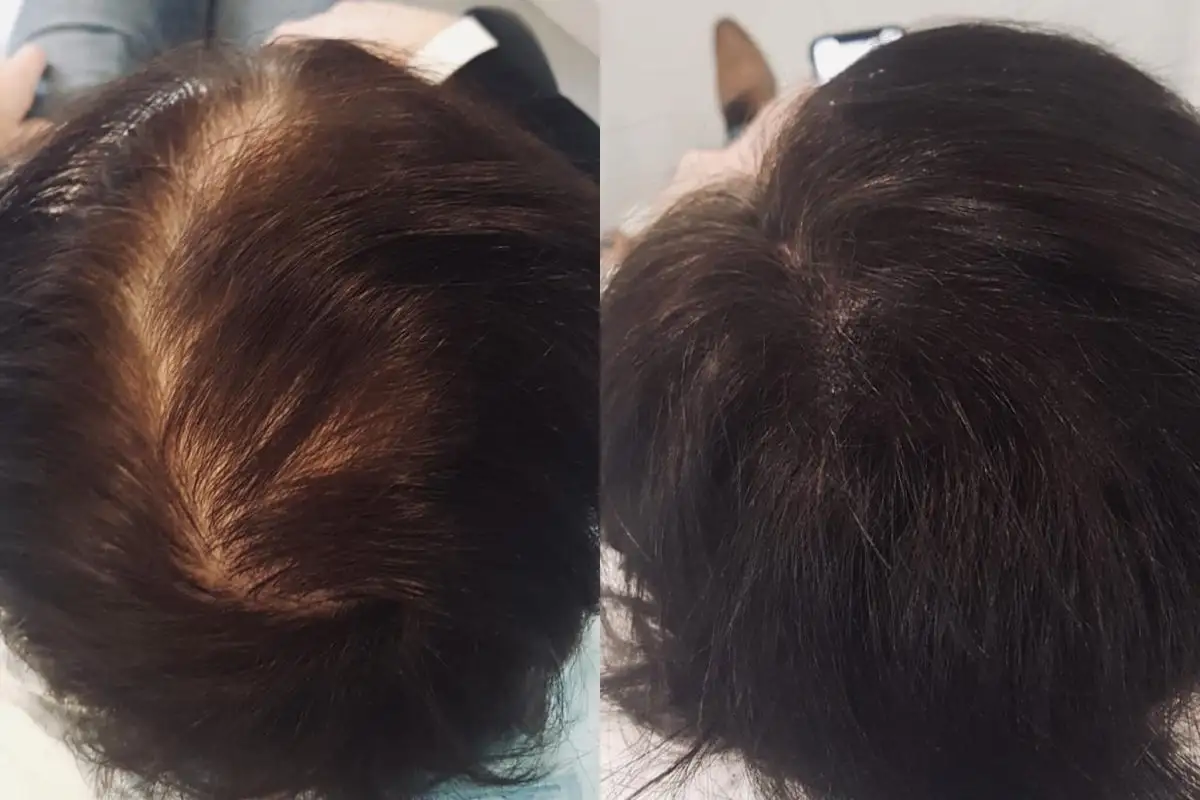
- Thicker, fuller hair in the second trimester.
- Postpartum shedding due to a drop in estrogen.
- Changes in hair texture or oiliness.
Skin and Hair Care During Pregnancy
Your skincare routine must adapt to ensure the safety of your baby while still keeping your skin healthy.
Ingredients to Avoid
- Some skincare ingredients can be harmful during pregnancy:
- Retinoids (Retin-A, retinol): Risk of birth defects.
- Salicylic acid (high concentrations): Linked to pregnancy complications.
- Hydroquinone: High absorption rate—avoid completely.
- Parabens & phthalates: Potential hormone disruptors.

Safe and Effective Ingredients
Choose these instead:
- Vitamin C: For brightening and antioxidant protection.
- Hyaluronic Acid: Deep hydration without irritation.
- Niacinamide: Anti-inflammatory and helps with redness and acne.
- Zinc oxide or titanium dioxide: Physical sunscreens that are baby-safe.
Daily Skin and Hair Care During Pregnancy
- Cleanser: Gentle, fragrance-free (e.g., micellar water or cream cleanser).
- Toner (optional): Alcohol-free to avoid drying.
- Moisturizer: Rich in ceramides and hyaluronic acid.
- Sunscreen: Broad-spectrum, SPF 30+, physical blocker.
- Tip: Always patch-test new products, even if labeled “pregnancy-safe.”
Managing Pregnancy Acne Without Risk
Pregnancy acne is common, but treating it requires special care.
Do:
- Use mild cleansers with sulfur or azelaic acid.
- Apply tea tree oil (diluted).
- Use clay masks for oil control.
Don’t:
- Use benzoyl peroxide or retinoids.
- Over-wash your face, which can worsen oiliness.
Natural Remedies That Work
- Apple cider vinegar toner (diluted with water).
- Aloe vera for soothing inflamed skin.
- Honey masks to reduce bacteria.

Preventing and Treating Stretch Marks
While genetics play a role, skincare can still help minimize their appearance.
Best Practices
Hydration: Drink plenty of water daily.
Topical creams: Use products with cocoa butter, shea butter, and centella asiatica.
Recommended Oils
- Sweet almond oil
- Coconut oil
- Vitamin E oil
When to Start
Begin applying creams and oils early in the second trimester to areas like the belly, thighs, and breasts.
Hair Care Adjustments During Pregnancy
Avoid:
- Ammonia-based hair dyes
- Formaldehyde in keratin treatments
- Strong sulfates and parabens
Use:
- Mild, pH-balanced shampoos
- Natural conditioners
- Hair masks with coconut or argan oil
Hair Growth and Shedding Cycles
- Anagen phase (growth) extends during pregnancy.
- Telogen phase (shedding) intensifies postpartum.
Tips for Healthy Hair
- Use a wide-tooth comb to avoid breakage.
- Avoid tight hairstyles that stress the scalp.
- Get regular trims every 6–8 weeks.
Natural DIY Remedies for Skin and Hair
Skin Remedies
- Oatmeal baths for itching.
- Cucumber masks for hydration.
- Turmeric and yogurt paste for pigmentation.
Hair Remedies
- Egg and olive oil mask for shine.
- Fenugreek seed paste for hair strength.
- Aloe vera scalp massage for soothing dryness.

When to See a Dermatologist
Seek medical advice if you experience:
- Severe itching (could be cholestasis of pregnancy).
- Painful acne or cysts.
- Sudden hair loss during pregnancy (not just postpartum).
Always ensure any treatment prescribed is marked pregnancy-safe.
Frequently Asked Questions (FAQ)
1. Can I dye my hair during pregnancy?
Yes, but only after the first trimester and with ammonia-free, natural dyes.
2. What is the safest sunscreen during pregnancy?
Look for mineral-based sunscreens with zinc oxide or titanium dioxide.
3. How can I treat acne safely while pregnant?
Use azelaic acid, sulfur-based cleansers, or consult a dermatologist.
4. Is it normal to have hair fall after delivery?
Yes, it’s called telogen effluvium and is temporary.
5. Can I use essential oils in my skincare?
Some, like lavender and chamomile, are safe. Avoid rosemary or peppermint oil.
6. When should I start using stretch mark cream?
Start in the second trimester and apply daily to prone areas.
7. Is retinol safe during pregnancy?
No, avoid all forms of retinoids during pregnancy.
8. Why do dark spots appear on my face during pregnancy?
Due to melasma, triggered by hormonal changes and sun exposure.
9. How can I manage itchy skin during pregnancy?
Use oatmeal baths, fragrance-free moisturizers, and wear cotton clothing.
10. Should I change my shampoo during pregnancy?
Yes, switch to sulfate-free and natural formulations to reduce chemical exposure.
Conclusion
Skin and hair care during pregnancy is not just about looking good—it’s about feeling comfortable, healthy, and confident as your body changes. Understanding the safe ingredients, developing the right routine, and addressing common issues like acne and stretch marks can help you maintain glowing skin and vibrant hair. By prioritizing safe, informed, and nurturing practices, your journey to motherhood can be as radiant on the outside as it is meaningful on the inside. Remember, skin and hair care during pregnancy is a long-term investment in both your well-being and your baby’s safety. The Impact of Nutrition on Skin and Hair Health