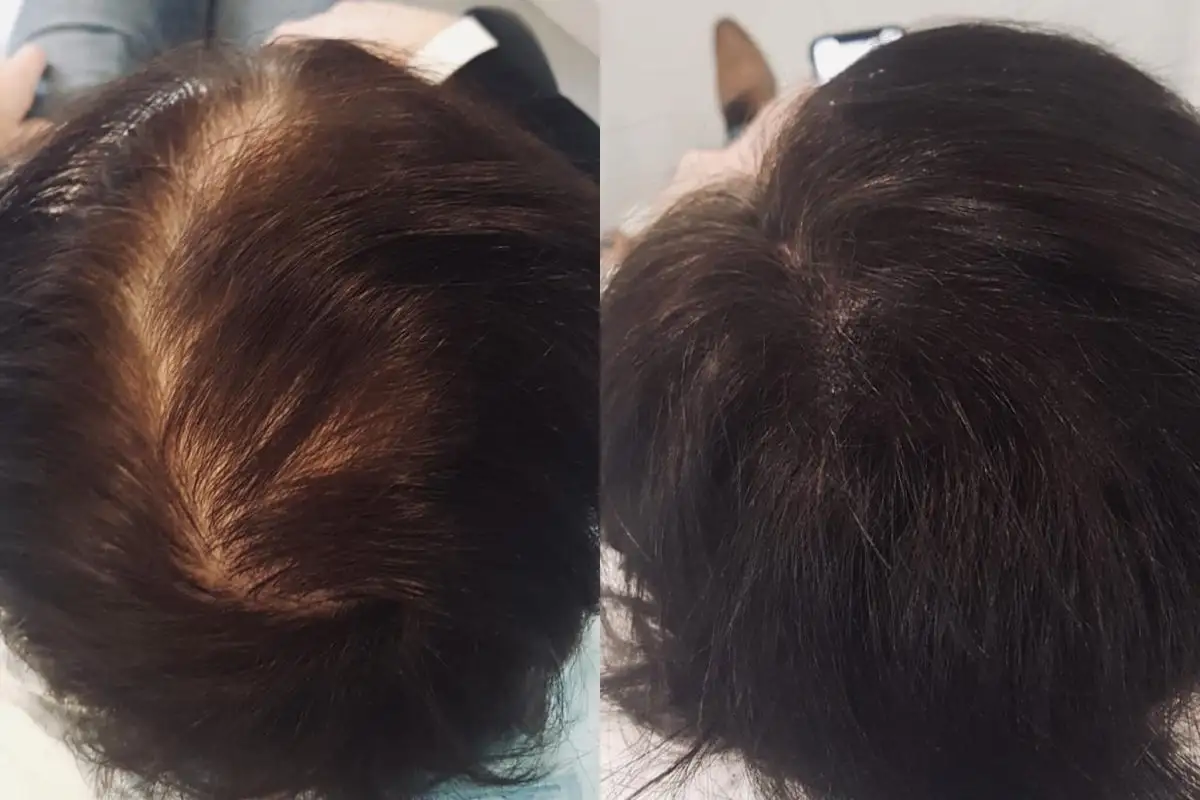


Nature has gifted us with powerful, nutrient-rich ingredients that have stood the test of time and at the heart of these gifts lie herbal oils. Used for centuries in Ayurveda, traditional Chinese medicine, and holistic beauty rituals, herbal oils are now backed by modern science for their effectiveness in nurturing both skin and hair.
In this comprehensive guide to herbal oils for healthy skin and hair, we explore the best oils, their unique benefits, how to use them safely, and what makes them stand out in both skincare and haircare routines. Whether you’re battling dryness, acne, dandruff, or hair thinning, this guide has something tailored just for you.
What Are Herbal Oils and Why Do They Work?
Herbal oils are plant-based oils infused with medicinal herbs or extracted directly from botanicals like seeds, roots, and leaves. These oils contain essential fatty acids, antioxidants, vitamins, and anti-inflammatory compounds that naturally support the health of your skin and scalp.
Key Benefits of Herbal Oils
-
Deep hydration without synthetic chemicals
-
Natural antioxidants that fight free radicals
-
Antibacterial and antifungal properties
-
Promotes hair growth and skin regeneration
Pro Tip: Choose cold-pressed, unrefined oils for maximum potency and purity.
Top Herbal Oils for Glowing Skin
In the realm of natural skincare, a few herbal oils consistently rise to the top for their effectiveness and safety.
Jojoba Oil
-
Closest to the skin’s natural sebum
-
Balances oil production
-
Non-comedogenic (won’t clog pores)
Rosehip Seed Oil
-
Rich in Vitamin A (natural retinoid)
-
Fades scars and pigmentation
-
Boosts collagen
Tea Tree Oil
-
Powerful antibacterial properties
-
Treats acne and breakouts
-
Soothes redness and irritation
Calendula Oil
-
Anti-inflammatory and calming
-
Ideal for sensitive or eczema-prone skin
Neem Oil
-
Strong antimicrobial and anti-acne effects
-
Ideal for oily or acne-prone skin
How to Use: Apply 2-3 drops to clean, damp skin. Use as a serum, massage oil, or blend into moisturizers.

Best Herbal Oils for Healthy, Strong Hair
Your scalp is skin too and herbal oils nourish hair follicles, prevent dryness, and strengthen roots.
Coconut oil infused with curry leaves deeply penetrates the hair shaft, helping to prevent protein loss, while the curry leaves themselves promote melanin production for darker, shinier hair.
- Amla oil: derived from Indian gooseberry, is rich in vitamin C, strengthens hair roots, and helps reduce premature graying.
- Castor oil: packed with ricinoleic acid, supports hair growth and combats dandruff and scalp infections.
- Bhringraj oil: often called the “King of Herbs” for hair, enhances hair density, reduces hair fall, and improves blood circulation to the scalp.
- Fenugreek (methi) oil: excellent for reducing hair shedding, adding shine and softness, and is particularly beneficial for curly and frizzy hair.
Usage Tips:
in this part, remember to warm the oil slightly and gently massage it into the scalp using circular motions to improve absorption and stimulate blood circulation. Allow the oil to remain on the scalp for 1–2 hours, or for deeper nourishment, leave it on overnight. Finally, wash your hair with a mild, sulfate-free shampoo to cleanse the scalp without stripping away natural oils.
Herbal Oil Blends: Customizing for Your Needs
For a more tailored routine, you can combine herbal oils based on your concerns.
For skin brightening, combine jojoba oil, turmeric-infused oil, and vitamin E to create a nourishing blend that promotes a radiant complexion. For hair regrowth, mix castor oil with rosemary and amla oils to stimulate the scalp and support healthy hair growth. To soothe inflammation, blend calendula, chamomile, and lavender oils for a calming and restorative effect on irritated skin.
Tip: Store your oil blends in amber dropper bottles to protect them from sunlight and preserve their potency.
Application Techniques for Maximum Results
It’s not just about what oil you use. it’s how you use it:
For Skin:
-
Apply on damp skin post-cleansing
-
Use Gua Sha or jade roller for better absorption
-
Don’t mix too many oils—simplicity wins
For Hair:
-
Section hair and apply oil to scalp and roots
-
Use fingertips or scalp massager to boost circulation
-
Wrap hair with a warm towel for 20 minutes for deeper penetration

Common Mistakes to Avoid When Using Herbal Oils
To ensure effective results and prevent irritation, it’s important to avoid common mistakes when using oils.
Never overuse essential oils without proper dilution, and always perform a patch test before applying them widely. Avoid leaving oils on the scalp for too long, particularly heavier oils like castor, and steer clear of impure or synthetic oils—always choose organic or therapeutic-grade options.
For added assurance, look for certifications such as USDA Organic, ECOCERT, or cold-pressed labels to guarantee quality and safety.
Are Herbal Oils Safe for Everyone?
Most herbal oils are generally safe, but people with allergies, sensitive skin, or medical conditions should exercise caution.
Safety Tips:
-
Do a patch test 24 hours before use
-
Avoid citrus-based oils before sun exposure
-
Consult your dermatologist if pregnant or on medication

FAQs
1. Can I use herbal oils every day?
Yes, but frequency depends on the oil type and your skin/hair needs.
2. Are herbal oils safe for acne-prone skin?
Oils like tea tree, jojoba, and neem are excellent for acne-prone skin.
3. How long should I leave oil in my hair?
1–2 hours is enough; overnight is optional and depends on your scalp.
4. Can I mix multiple herbal oils together?
Yes, but keep it to 2–3 oils and test your blend before full use.
5. Are herbal oils suitable for children?
Some oils like coconut and calendula are gentle enough for kids.
6. What’s the best oil for wrinkles and fine lines?
Rosehip and pomegranate seed oils are rich in anti-aging properties.
7. Do herbal oils expire?
Yes—most oils last 6–12 months after opening. Store them in cool, dark places.
8. Can I apply herbal oils under makeup?
Light oils like jojoba or squalane work well as makeup bases.
9. What oils are best for dandruff?
Tea tree oil, neem oil, and coconut oil work well against flakes.
10. Can I use essential oils directly on skin?
No—always dilute with a carrier oil like jojoba, almond, or coconut.
Conclusion
If you’ve ever asked yourself how to take your beauty routine to a more natural, effective level, this guide to herbal oils for healthy skin and hair is your starting point.
From jojoba and rosehip to amla and bhringraj, these time-tested botanicals offer a chemical-free, results-driven approach to skincare and haircare. Their power lies in their simplicity, versatility, and synergy with your body’s natural rhythms.
With consistency, quality sourcing, and smart application, herbal oils can truly transform your skin and hair from the roots up naturally.