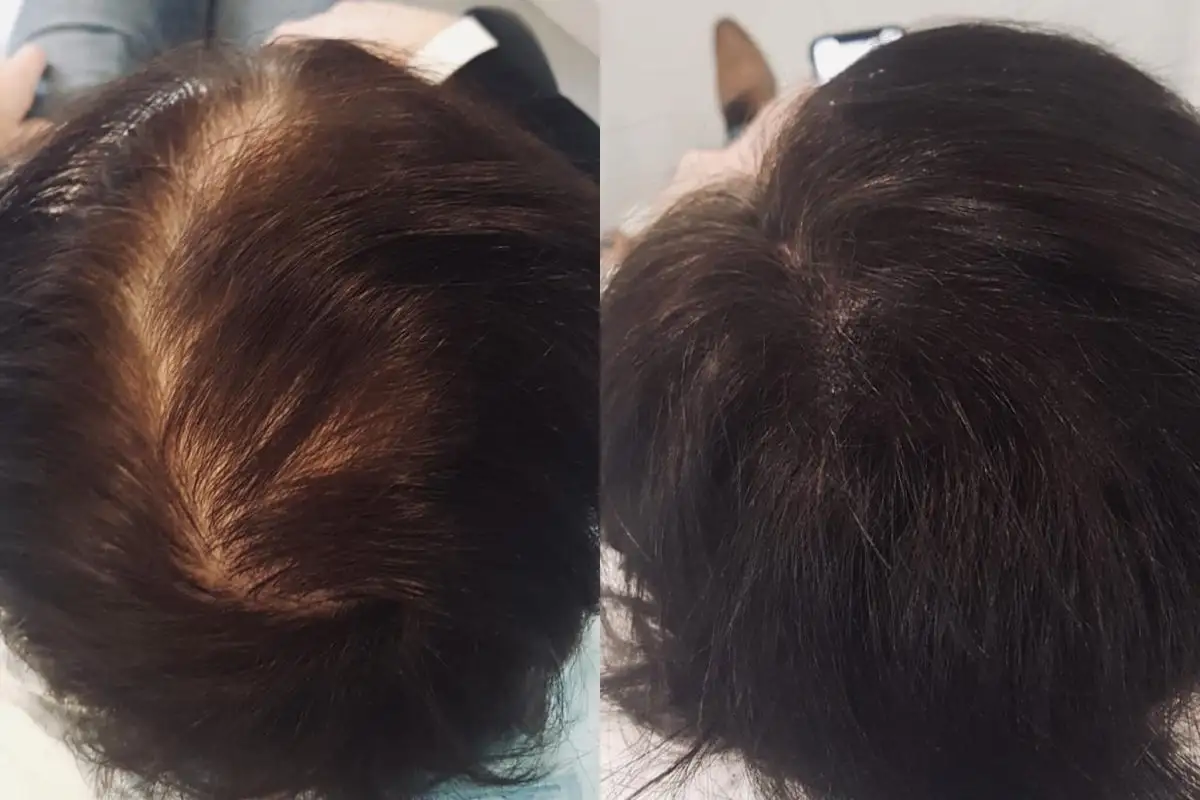

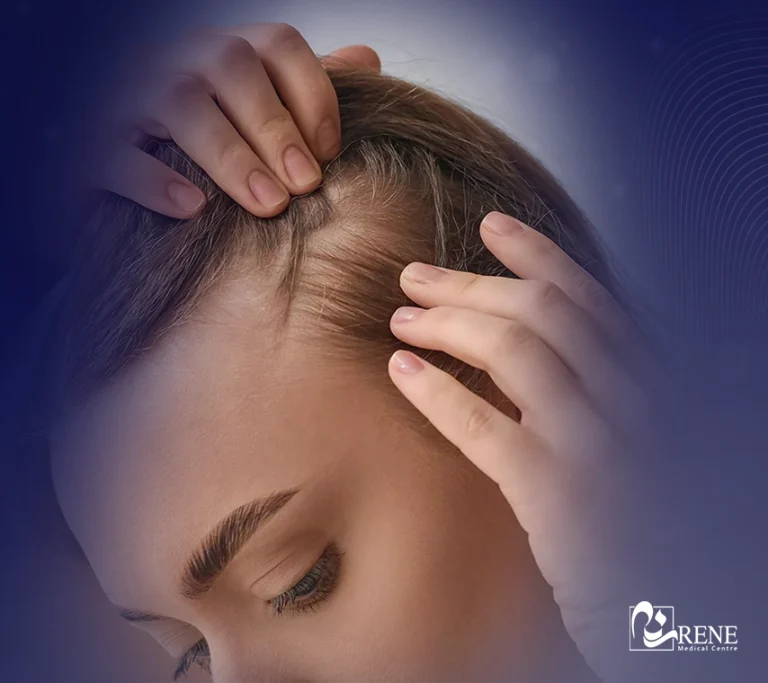
Hair transplantation for women is considered an effective solution in advanced cases of hair loss that do not respond to traditional treatments. However, many women wonder whether the results differ from those in men, whether in terms of density, durability of the results, or the nature of the procedure itself. In this article, we clarify the real medical differences and provide a practical guide to help make an informed decision.
Hair Loss in Women: Common Causes
Hair loss in women is a common problem that can affect appearance and self-confidence. Its causes vary from one woman to another. In many cases, hair loss results from the interaction of several health-related, hormonal, and lifestyle factors. Therefore, identifying the exact cause is a fundamental step before considering any treatment or cosmetic procedure.
The most common causes of hair loss in women include:
- Genetic factors: Female pattern hair loss, which appears as general thinning across the scalp
- Hormonal disorders: Such as pregnancy, childbirth, menopause, or ovarian disorders
- Vitamin and mineral deficiencies: Especially iron, vitamin D, and zinc
- Stress and psychological pressure: Which may lead to temporary or chronic hair loss
- Thyroid disorders: Whether hyperthyroidism or hypothyroidism
- Harsh hair treatments: Repeated dyeing, chemical straightening, and tight hairstyles
- Certain medications: Such as antidepressants or cancer treatments
Understanding the true cause of hair loss helps in choosing the most appropriate treatment, whether medical, cosmetic, or proceeding with hair transplantation in suitable cases.

Does Hair Transplantation for Women Differ from Men?
Yes, hair transplantation for women differs from men in several medical and planning aspects, which affects the choice of technique and the expected results. This difference is mainly due to the pattern of hair loss, the nature of the donor area, and the aesthetic goals of each case.
The most important differences between hair transplantation in women and men include:
- Pattern of hair loss: In women, hair loss is often diffuse thinning, whereas in men it is usually localized to the frontal hairline or clearly bald areas.
- Donor area: In women, donor density may be good, but it requires more precise evaluation due to the possibility of diffuse thinning.
- Aesthetic planning: The goal for women is to increase density evenly while maintaining a natural and soft hairline.
- Choice of technique: Precise techniques such as FUE or DHI are preferred to reduce trauma and achieve better distribution.
- Supportive treatment: Women often require hormonal or nutritional supportive therapy to maintain long-term results.
Results in women can be excellent and may be no less successful than those in men, provided that proper diagnosis is made, suitable candidates are selected, and the procedure is carefully planned with medical follow-up after transplantation.
Hair Transplant Techniques Suitable for Women
The choice of hair transplant techniques suitable for women depends on the pattern of hair loss, the density of the donor area, and the desired aesthetic goals. Due to the prevalence of diffuse thinning in women, the selection requires more precise planning to avoid weakening the donor area and to achieve even density and a natural appearance.
The most commonly used techniques for women include:
- FUE Technique (Follicular Unit Extraction): The most widely used technique; it is minimally invasive, leaves no linear scar, and allows precise distribution of grafts with faster recovery.
- DHI Technique (Direct Hair Implantation):Provides greater control over the angle and depth of implantation, making it suitable for frontal areas and for achieving better density without extensive shaving.
- FUT Technique (Strip Method) – In Specific Cases: Rarely used and it may be an option when a large number of grafts is required and the donor area is suitable.
How Do We Choose the Most Appropriate Technique?
- Evaluating the pattern of hair loss (localized or diffuse)
- Measuring the density and strength of the donor area
- Defining the aesthetic goal (general density increase or filling specific areas)
- Considering the patient’s preference regarding shaving and recovery time
Choosing the correct technique, along with a specialist physician and a supportive treatment plan, is the most important factor in ensuring natural and stable results for women.
Expected Results After Hair Transplantation for Women
Expected results after hair transplantation in women vary depending on the pattern of hair loss, donor area density, the technique used, and adherence to post-procedure care. In general, results are gradual and natural when proper planning and appropriate case selection are ensured.
What Can Be Expected After Transplantation?
- Noticeable improvement in hair density in areas affected by thinning
- A natural appearance with even distribution and no harsh change in the hairline
- Growth of new hair that can be cut and styled like natural hair
- Long-term stability of results when supportive treatment is used if needed
Approximate Timeline of Results:
- Months 1–2: Temporary shedding of transplanted hair (Shock Loss), which is normal
- Months 3–4: The beginning of new hair growth in a light form
- Months 6–9: Clear improvement in density and overall appearance
- Month 12: Final result in terms of density and texture
Important Points for Better Results
- Treating accompanying hormonal or nutritional causes
- Adhering to care instructions and medical follow-up
- Maintaining realistic expectations, especially in cases of diffuse hair loss
In short, hair transplantation can provide women with excellent and natural results, provided there is correct diagnosis, appropriate technique selection, and continuous medical follow-up.

When Do Results Appear and How Long Do They Last?
Results of hair transplantation for women appear gradually and are not immediate, as transplanted hair follicles need time to stabilize and begin a new growth cycle. Timing varies slightly from one woman to another depending on the technique used, scalp condition, and adherence to post-transplant care.
When Do Results Begin to Appear?
- During months 1–2: Temporary shedding of transplanted hair (Shock Loss) may occur, which is normal
- During months 3–4: New hair growth begins lightly
- During months 6–9: Noticeable improvement in density and appearance
- At month 12: Reaching the final result in terms of density and shape
How Long Do Hair Transplant Results Last for Women?
Transplanted hair is usually permanent because it is taken from areas resistant to hair loss. Results can last for many years if the underlying cause of hair loss is stable. In some cases, supportive treatment (hormonal or nutritional) may be needed to maintain non-transplanted hair.
The stability of results depends greatly on correct diagnosis, choosing the appropriate technique, and adhering to medical follow-up after transplantation.
Who Are Suitable Candidates for Hair Transplantation?
Not every case of hair loss in women is suitable for hair transplantation. Therefore, accurate medical evaluation is an essential step before making a decision. A woman’s eligibility for hair transplantation depends on the cause and pattern of hair loss, donor area density, general health, and patient expectations.
Suitable candidates for hair transplantation include:
- Women suffering from localized hair loss or specific bald areas
- Adequate density in the donor area (usually the back of the head)
- Stability of the cause of hair loss or the possibility of controlling it medically
- Good general health with no medical contraindications
- Failure of non-surgical medical or cosmetic treatments
- Having realistic expectations for gradual and natural results
Who May Not Be Suitable Candidates?
- Cases of active, unstable diffuse hair loss
- Hair loss caused by untreated medical conditions
- Severe weakness in donor area density
The final decision should be made after a comprehensive examination by a hair transplant specialist to ensure proper case selection and achieve the best possible outcome.
Warnings and Potential Risks
Although hair transplantation for women is considered a relatively safe procedure when performed by a qualified physician, it—like any medical procedure—may involve certain warnings and potential risks that should be understood in advance to make an informed decision.
The Most Common Potential Risks and Complications:
- Temporary shedding of transplanted hair (Shock Loss): Common in the first weeks and usually normal
- Temporary swelling or redness: Resolves within days with proper care
- Itching or scalp discomfort: Especially during the early healing phase
- Uneven density: May occur if distribution is not planned precisely, particularly in diffuse thinning
- Rare inflammation or infection: Often due to non-compliance with post-procedure instructions
Important Warnings Before Making a Decision
Hair transplantation is not suitable for all types of hair loss, especially active diffuse hair loss. Neglecting hormonal or nutritional causes may affect the stability of results. Choosing a non-specialized center increases the likelihood of unsatisfactory outcomes.
Most risks can be significantly reduced through accurate diagnosis, proper technique selection, and adherence to care and follow-up instructions. Pre-procedure evaluation by a specialist physician is the most important factor in ensuring a safe experience and natural results.
Post-Hair Transplant Care for Women
Post-hair transplant care for women is a fundamental factor in the success of the procedure, faster recovery, and achieving the best possible results. Although the procedure is relatively safe, following medical instructions after transplantation helps stabilize the transplanted follicles and reduce potential complications.
The Most Important Post-Transplant Care Instructions:
- Adhering to the doctor’s instructions regarding washing and the timing of the first hair wash
- Avoiding touching or scratching the scalp during the first days
- Sleeping in a comfortable position with the head slightly elevated to reduce swelling
- Temporarily avoiding hair dryers and chemical products
- Avoiding strenuous exercise and direct sun exposure during the first weeks
- Taking prescribed medications and topical products precisely as directed

Additional Tips to Maintain Results
- Following a diet rich in protein and vitamins
- Drinking sufficient amounts of water
- Avoiding tight hairstyles and hair dyeing for a period determined by the doctor
- Committing to medical follow-up to assess hair growth
Proper adherence to these guidelines helps ensure a smooth recovery period and increases the chances of achieving healthy, dense hair with natural and long-lasting results.
Frequently Asked Questions (FAQ)
1. Is hair transplantation for women painful?
Pain is usually mild to moderate. Hair transplantation is performed under local anesthesia, which significantly reduces discomfort. After the procedure, some women may experience mild discomfort that disappears within a few days with prescribed painkillers.
2. Are hair transplant results for women permanent?
Transplanted hair is generally permanent because it is taken from areas resistant to hair loss. However, non-transplanted hair may continue to thin if hormonal or nutritional causes are not addressed.
3. When can hair be washed after hair transplantation?
Hair washing is usually allowed after 2 to 3 days, using a special method and a gentle medical shampoo according to the doctor’s instructions to avoid dislodging transplanted follicles.
4. Can hair be dyed after hair transplantation?
It is generally recommended to wait 4 to 6 weeks before dyeing the hair, to avoid scalp irritation and allow full stabilization of the follicles.
5. Is hair transplantation suitable for diffuse hair loss in women?
In some cases, yes, but it requires precise evaluation of the hair loss pattern and donor area density. Supportive treatment is often recommended alongside transplantation to achieve better results.
6. How long is the recovery period after hair transplantation for women?
The recovery period is relatively short, and daily activities can usually be resumed within a few days. Full healing and new hair growth, however, require several months.
Conclusion: Hair Transplantation for Women
Hair transplantation for women is an effective and safe option for treating hair loss in suitable cases and can provide natural, long-lasting results when proper diagnosis and technique selection are made. Results differ from men depending on the pattern of hair loss and donor area density; therefore, accurate medical evaluation and post-transplant follow-up remain essential elements for the success of the procedure and the preservation of results.