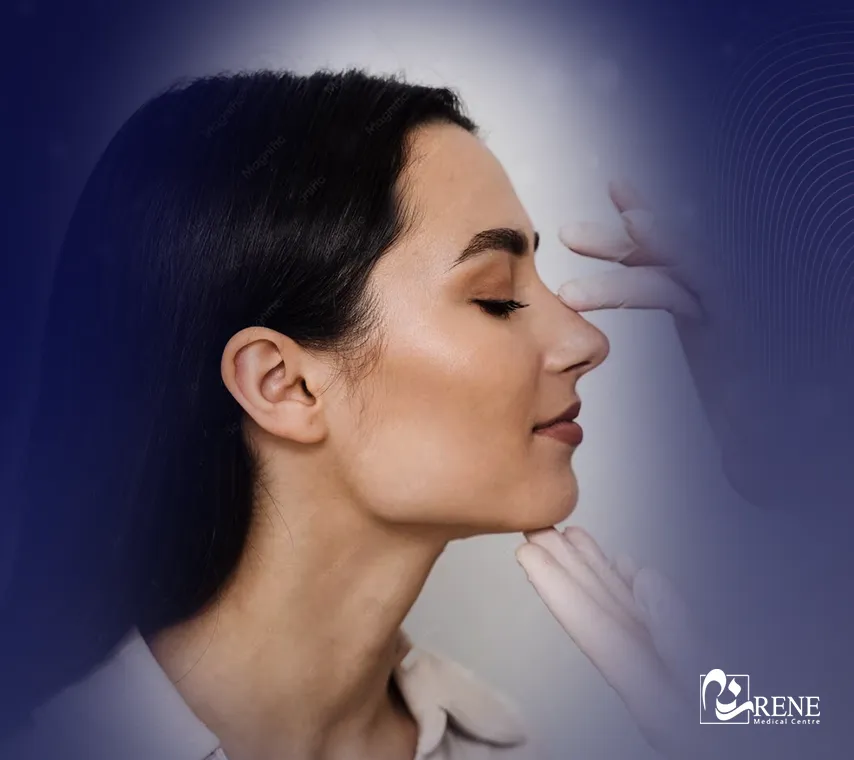
Rhinoplasty in Muscat is a life-changing decision that requires a clear understanding of costs, available techniques, and what to expect during recovery. Whether you seek cosmetic refinement or functional breathing improvement, the capital of Oman offers world-class surgical expertise. This comprehensive guide covers everything you need to know about rhinoplasty in Muscat, from choosing the right procedure to navigating the healing process, so you can approach your transformation with confidence and realistic expectations.
Why Choose Muscat for Your Rhinoplasty?
The rise of medical tourism in Oman for cosmetic surgery
Over the past decade, Oman has invested heavily in healthcare infrastructure. Muscat now attracts patients from across the Gulf and beyond who seek high-quality cosmetic procedures in a discreet, culturally respectful environment. The combination of modern hospitals and personalized care makes rhinoplasty in Muscat an increasingly popular choice.
Highly qualified surgeons and internationally accredited clinics
Many plastic surgeons practising in Muscat hold fellowships from prestigious European and North American institutions. They adhere to rigorous international standards for patient safety and surgical excellence. Choosing a board-certified surgeon ensures that your rhinoplasty in Muscat is performed with the utmost skill and precision.
Cultural sensitivity and privacy for all patients
Clinics in Muscat understand the importance of privacy and cultural values. Many offer female-only nursing teams, private consultation rooms, and separate waiting areas. This commitment to discretion and comfort is a significant reason why patients feel at ease undergoing rhinoplasty in Muscat.
Types of Rhinoplasty Techniques Available in Muscat
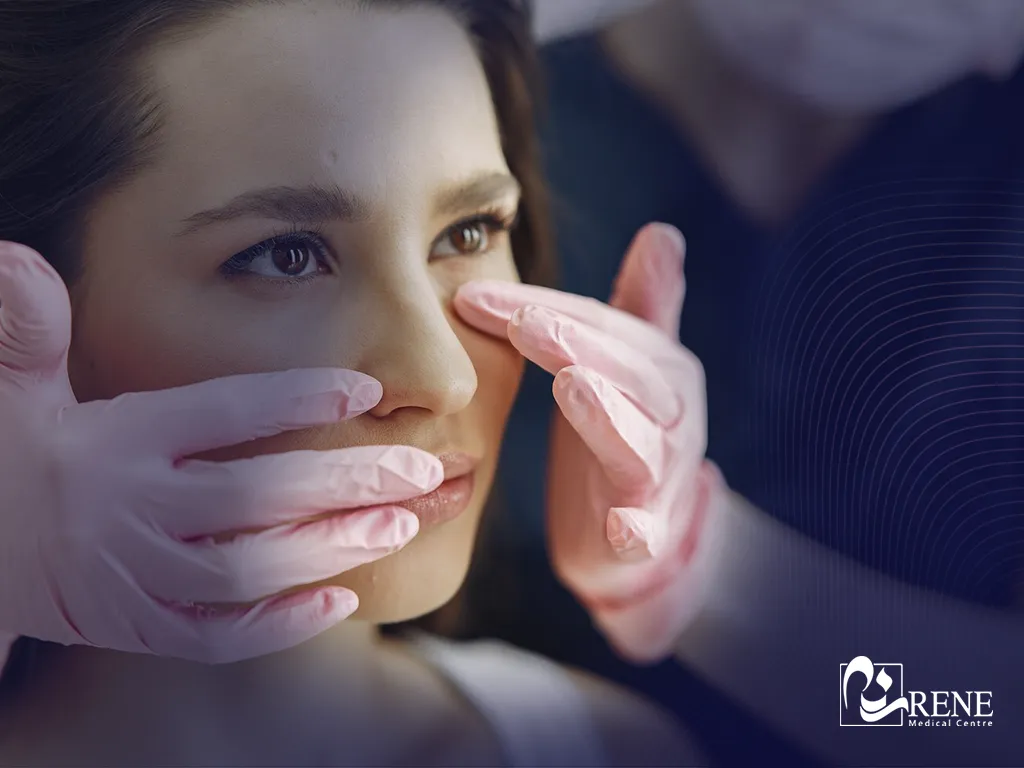
Surgeons in Muscat are proficient in a wide range of approaches, each tailored to specific anatomical needs and aesthetic goals. Understanding these techniques will help you have a more informed discussion during your consultation.
Closed Rhinoplasty (endonasal)
Closed rhinoplasty in Muscat hides all incisions inside the nostrils, leaving no visible scars. This technique is ideal for minor to moderate reshaping, such as refining a dorsal hump or lifting the tip. Recovery is often faster because the external tissues are not disrupted.
Open Rhinoplasty (external)
Open rhinoplasty involves a small incision across the columella, the strip of tissue between the nostrils. This approach gives the surgeon direct visibility of the nasal framework, making it suitable for complex reconstructions and significant reshaping. The scar fades to near invisibility over time.
Ultrasonic (Piezo) Rhinoplasty – precision without fractures
This advanced technique uses ultrasonic vibrations to sculpt the nasal bones with microscopic precision, avoiding the traditional hammer and chisel. Piezo rhinoplasty in Muscat reduces soft tissue trauma, leading to less bruising, swelling, and a more predictable recovery compared to conventional methods.
Preservation Rhinoplasty – maintaining natural structures
Preservation rhinoplasty focuses on reshaping the nose without cutting or removing the underlying bone and cartilage unnecessarily. By preserving the natural support structures, this technique delivers exceptionally natural results and reduces the risk of long-term breathing issues or a “surgical” look.
Non-Surgical Nose Job (liquid rhinoplasty with fillers)
For patients not ready for surgery, a liquid nose job in Muscat uses injectable fillers to smooth bumps, lift the tip, or correct asymmetry. Results are immediate and last 12 to 18 months, but this technique cannot reduce the size of the nose or correct functional problems.
Functional Rhinoplasty (septoplasty combined)
When a deviated septum or enlarged turbinates impair breathing, functional rhinoplasty is combined with aesthetic reshaping. This dual-purpose surgery improves both airflow and appearance. Many patients pursuing rhinoplasty in Muscat are surprised to learn their breathing can also be significantly enhanced.

How to Choose the Right Technique for Your Nose
Factors your surgeon considers (skin thickness, bone structure, goals)
Thick, oily skin heals differently than thin, delicate skin. The strength of your nasal cartilage and the shape of your face all influence which technique will yield the best result. An experienced surgeon evaluates these variables before recommending a specific rhinoplasty in Muscat approach.
Open vs. closed: which is better for you?
Closed rhinoplasty suits straightforward cosmetic tweaks, while open surgery excels for major reshaping. Your surgeon will weigh the trade-off between scar visibility and surgical access. Neither technique is universally superior; the best choice is the one that aligns with your unique anatomy.
When non-surgical rhinoplasty is the smarter choice
If you need only minor contouring, have thin skin, and understand the temporary nature, a liquid nose job is an excellent option. It requires no downtime and lets you preview potential surgical results. However, it cannot fix breathing issues or make a large nose smaller.
Rhinoplasty in Muscat: A Detailed Cost Guide
Average price range for surgical rhinoplasty
Surgical rhinoplasty in Muscat is an investment in your confidence and facial harmony. Fees generally cover the surgeon’s professional fee, anesthesia, operating room, and follow-up visits. While costs vary, this one-time expenditure delivers permanent results.
Cost of non-surgical rhinoplasty per session
A liquid nose job requires maintenance sessions every 12 to 18 months. The per-session fee is lower than surgery, but over a decade, the cumulative cost can approach that of a permanent surgical procedure.
What influences the final cost? (surgeon’s expertise, technique, facility)
The total investment for rhinoplasty in Muscat depends significantly on the surgeon’s experience and whether advanced techniques like Piezo are used. A renowned surgeon with a flawless safety record commands higher fees, but this expertise reduces the likelihood of revision surgery.
Does health insurance cover any part of rhinoplasty?
Purely cosmetic rhinoplasty is not covered by insurance. However, if a functional component like a deviated septum is corrected simultaneously, your provider may reimburse the portion related to improving breathing. Always obtain pre-authorization from your insurer before surgery.

Your Rhinoplasty Recovery Timeline – Week by Week
Immediate aftercare: the first 48 hours
You will wake up with a splint on your nose and possibly packing inside. Swelling and some blood-tinged oozing are normal. Rest with your head elevated, apply cold compresses to your cheeks, and take prescribed pain medication. A responsible adult must stay with you after rhinoplasty in Muscat.
Week 1: splint removal and bruising management
Your splint is removed after about seven days, revealing your new profile. Bruising around the eyes peaks and then begins to fade. Most patients feel comfortable stepping out for short walks, but heavy lifting and straining are strictly forbidden.
Weeks 2-3: returning to work and social activities
Most residual bruising can be concealed with makeup after two weeks. Many patients return to desk jobs at this point. However, the nose remains fragile, so you must avoid bumping it. Strenuous exercise is still off-limits.
Month 1-3: swelling subsides and shape refines
The majority of visible swelling resolves, but subtle puffiness persists, especially at the tip. You can gradually resume light exercise. The nasal bones are now stable, but the final contours are still evolving.
Month 6-12: final results become apparent
It takes a full year for all internal swelling to completely disappear after rhinoplasty in Muscat. Only then will the refined definition and final shape of your nose be fully visible, reflecting the meticulous work your surgeon performed.
Preparing for a Smooth Rhinoplasty Recovery
Pre-surgery checklist (diet, medications to avoid)
Stop smoking and avoid aspirin, ibuprofen, and herbal supplements like ginkgo biloba for two weeks before surgery. Arrange for a friend or family member to drive you home and assist you for the first 24 hours. Fill your prescriptions in advance.
Post-surgery care: sleeping, ice packs, and cleaning
Sleep on your back with two pillows to keep your head elevated. Gently clean the incision areas as instructed by your surgeon. Do not blow your nose for at least two weeks. These small steps dramatically improve healing after rhinoplasty in Muscat.
Signs of complications and when to call your surgeon
While complications are rare, contact your doctor immediately if you experience severe pain not relieved by medication, a sudden gush of bright red blood, a fever over 38°C, or any signs of infection such as spreading redness or pus.

Risks and Safety of Rhinoplasty in Muscat
Common and temporary side effects (bruising, swelling, numbness)
Bruising, swelling, and temporary numbness of the nasal tip or upper lip are universal and expected. These resolve gradually. Some patients also experience mild nasal stuffiness as internal tissues heal, which improves over weeks.
Rare complications (infection, breathing issues, dissatisfaction)
Serious complications like infection, significant bleeding, or persistent breathing difficulty are rare when a qualified surgeon performs the procedure. Aesthetic dissatisfaction may require revision rhinoplasty in Muscat, though surgeons advise waiting a full year before considering this.
How to minimize risks by choosing a qualified surgeon
Verify that your surgeon is a board-certified plastic surgeon or otolaryngologist with specialized fellowship training in rhinoplasty. Ask about their complication rates and their revision policy. A transparent, experienced surgeon is your best safeguard.
Frequently Asked Questions About Rhinoplasty in Muscat
How painful is rhinoplasty in Muscat?
Most patients describe the discomfort as manageable with prescribed painkillers. The sensation is often more of a dull ache or pressure than sharp pain. The first night is the most challenging, but significant relief arrives after the packing is removed.
Can I wear glasses after rhinoplasty?
You should not rest glasses directly on your nasal bridge for at least six weeks after rhinoplasty in Muscat. Your surgeon can tape the glasses to your forehead or recommend a special device that suspends the frame away from your healing nose.
When can I exercise after my nose job?
Light walking is encouraged from day one to promote circulation. You can gradually return to moderate exercise after three weeks. Strenuous activities, contact sports, and weight lifting must be avoided for at least six weeks to protect the nasal bones.
Will my nose look natural after surgery?
A skilled surgeon prioritizes harmony with your other facial features. The goal of modern rhinoplasty in Muscat is to enhance your nose so that it fits your face seamlessly, never to give you a tiny, artificial, or obviously operated-on appearance.
What is the minimum age for rhinoplasty?
For girls, surgeons typically wait until age 15-16; for boys, 16-17, once the facial bones have stopped growing. There is no strict upper age limit; healthy patients in their 60s and 70s can safely undergo rhinoplasty in Muscat.
How do I choose the best surgeon for rhinoplasty in Muscat?
Look for board certification, specialized fellowship training in facial plastic surgery, and a portfolio of before-and-after photos. Read patient testimonials, and most importantly, assess how thoroughly the surgeon listens to your goals during the consultation.

Conclusion
With this comprehensive guide to rhinoplasty in Muscat, you are now equipped to make an informed decision. Understanding the available techniques, realistic costs, and the patience required for healing will empower you throughout your journey. Always consult a board-certified surgeon, prioritize your health, and remember that the most beautiful results are those that look completely natural and uniquely yours.