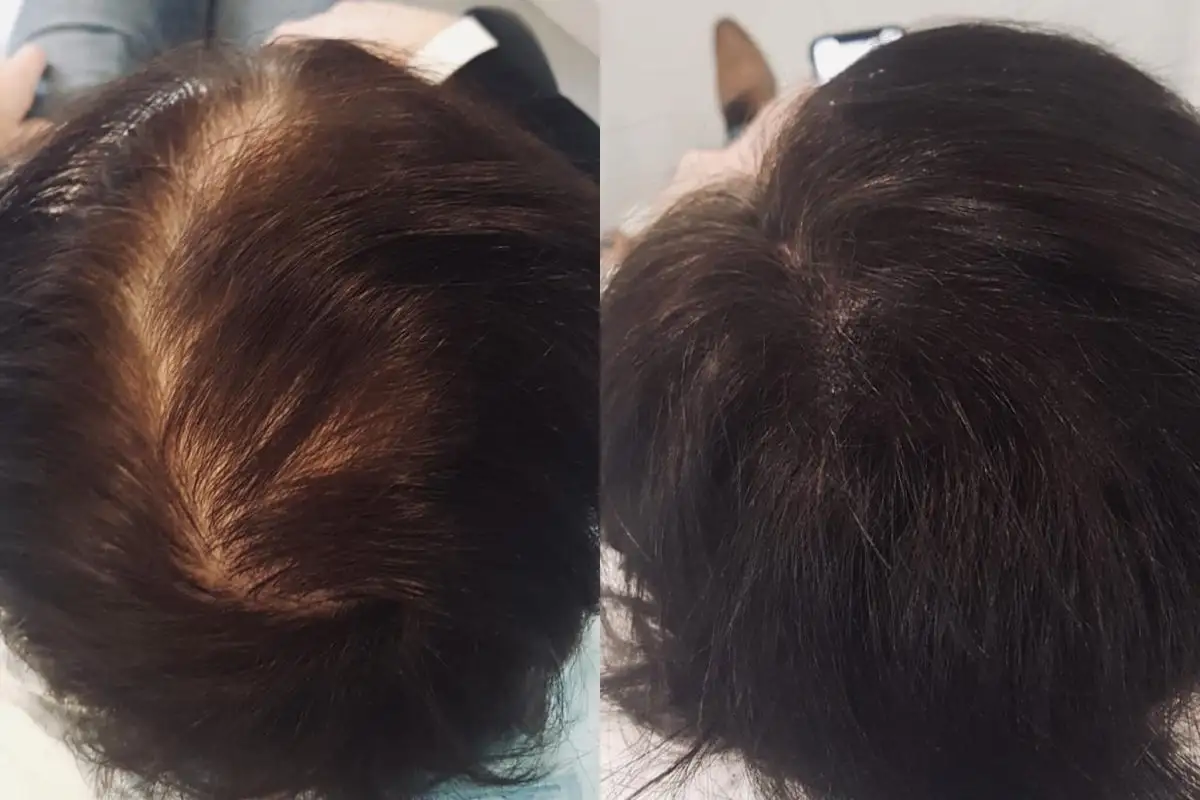


A full, well-shaped beard is an important part of personal style for many men. However, not everyone can grow thick and evenly distributed facial hair. Genetics, hormonal factors, scars, and certain medical conditions can contribute to patchy or limited beard growth.
Fortunately, modern beard transplant techniques provide a surgical option for individuals who want to improve facial hair density or restore hair in areas where it is missing.
With advancements in hair restoration technology, beard transplantation can produce natural-looking results when performed by experienced medical professionals. This guide explains how beard transplant surgery works, who may benefit from it, how much it costs, and what patients can expect during recovery.
What Is a Beard Transplant?
A beard transplant is a cosmetic surgical procedure that involves transferring healthy hair follicles from a donor area, usually the back or sides of the scalp, to selected areas of the face.
The transplanted follicles are carefully positioned to improve beard density, fill gaps, or create a more defined facial hair pattern.
Unlike temporary cosmetic products, facial hair transplantation aims to establish living hair follicles that continue producing hair after successful healing.
Beard restoration may involve several areas, including the cheeks, chin, mustache, sideburns, and jawline.
The procedure is customized according to the patient’s facial structure, existing beard growth, hair characteristics, and aesthetic goals.
Why Do Some Men Have Patchy Beards?
Uneven beard growth is common and does not always indicate an underlying health problem.
Several factors may affect facial hair density.
Genetics
Genetics plays a major role in determining beard thickness, distribution, and growth patterns. Some men naturally develop dense facial hair, while others experience sparse or uneven growth.
Hormonal Factors
Androgens, particularly testosterone and dihydrotestosterone (DHT), influence facial hair development. However, sparse beard growth does not automatically indicate low testosterone levels.
Scarring and Skin Conditions
Burns, injuries, surgical scars, and certain inflammatory skin conditions may permanently damage facial hair follicles.
Age and Natural Development
Facial hair may continue developing into adulthood. Younger individuals should consider whether their beard growth pattern has stabilized before pursuing surgical restoration.
A professional consultation can help determine whether beard transplantation is appropriate.
How Does Beard Transplant Surgery Work?
A beard transplant surgery typically involves several stages, from the initial consultation to the final placement of hair follicles.
1. Consultation and Beard Design
The surgeon evaluates facial hair density, donor hair availability, skin health, and the patient’s desired beard style.
A personalized beard design is created, considering facial proportions, natural growth patterns, and the direction of existing facial hair.
2. Donor Hair Extraction
Hair follicles are commonly harvested from the scalp using Follicular Unit Extraction (FUE).
During an FUE beard transplant, individual follicular units are removed with specialized instruments.
This technique avoids a long linear donor scar, although small extraction scars may remain.
3. Graft Preparation
The extracted follicles are examined and prepared for transplantation. Careful graft handling is important for maintaining follicle viability.
4. Follicle Implantation
The surgeon places the grafts into the selected facial areas, paying particular attention to hair direction, angle, and distribution.
Because facial hair grows in different directions across the cheeks, chin, and mustache, precise placement is essential for natural-looking results.
Benefits of Beard Transplantation
Beard transplantation may offer several advantages for suitable candidates.
-
Improved beard density: Helps fill sparse or uneven areas.
-
Personalized beard design: Allows patients to discuss their preferred facial hair shape.
-
Long-lasting hair growth: Successfully transplanted follicles can continue growing for years.
-
Scar camouflage: May improve the appearance of selected facial scars.
-
Natural appearance: Appropriate graft placement can help transplanted hair blend with existing facial hair.
However, results vary, and no surgical procedure can guarantee a particular beard density or appearance.
Who Is a Good Candidate for a Beard Transplant?
The ideal candidate generally has sufficient healthy donor hair and realistic expectations.
Potential candidates include men with genetically sparse beards, uneven facial hair distribution, or selected areas of permanent hair loss caused by injury or scarring.
Patients should also have healthy recipient skin and no uncontrolled medical conditions that could interfere with wound healing.
Individuals experiencing active inflammatory skin disease or unexplained facial hair loss may need medical evaluation and treatment before considering transplantation.
A qualified hair restoration specialist can determine whether surgery is suitable and how many grafts might be required.
Beard Transplant Recovery Timeline
Recovery after a beard transplant varies depending on the number of grafts, surgical technique, and individual healing response.
During the first week, patients may experience temporary redness, swelling, and small scabs around the transplanted follicles.
Over the following weeks, some transplanted hairs may fall out as part of the normal hair growth cycle.
New facial hair growth often becomes noticeable around three to four months after surgery. Hair density generally continues improving over the following months, with final results commonly assessed after approximately 12 months.
Patients should follow their surgeon’s instructions regarding facial washing, shaving, exercise, and skincare products to protect the healing grafts.
How Much Does a Beard Transplant Cost?
The beard transplant cost depends on several factors, including the number of grafts required, the size of the treatment area, clinic location, and surgeon’s experience.
A patient seeking to fill a small patch may require fewer grafts than someone requesting full beard reconstruction.
Although affordable treatment options may be attractive, selecting a clinic solely based on price is not recommended.
Patients should consider the medical team’s qualifications, treatment safety, previous results, and postoperative support before making a decision.
A personalized consultation provides the most accurate estimate of treatment costs.
Are Beard Transplant Results Permanent?
A successful beard transplant can provide long-lasting facial hair growth because the transplanted follicles retain many characteristics of their original donor area.
However, hair growth patterns, graft survival, and final density can vary between patients.
Transplanted scalp hair may also differ from natural beard hair in texture or growth characteristics, requiring regular trimming and grooming.
Choosing an experienced specialist is important because the angle, direction, and distribution of implanted follicles strongly influence the final appearance.
Possible Risks and Side Effects
Like other cosmetic surgical procedures, beard transplantation involves potential risks.
These may include temporary swelling, redness, infection, scarring, ingrown hairs, uneven density, and unnatural hair growth direction.
Some patients may also require additional treatment to achieve their preferred density.
A comprehensive medical assessment and careful surgical planning can help minimize complications.
Frequently Asked Questions About Beard Transplants
Is beard transplant surgery painful?
The procedure is typically performed under local anesthesia to minimize discomfort. Mild tenderness or swelling may occur during recovery.
How long does a beard transplant take?
Surgery may take several hours, depending on the treatment area’s size and the number of grafts required.
Can I shave after a beard transplant?
Patients should avoid shaving transplanted areas until their surgeon confirms that the grafts have healed sufficiently.
Does a beard transplant look natural?
Yes, natural-looking results are possible when grafts are carefully selected and implanted at angles that follow the patient’s existing facial hair growth.
Conclusion: Is a Beard Transplant Worth It?
A beard transplant may be an effective solution for men experiencing patchy, sparse, or missing facial hair.
Modern FUE techniques allow specialists to create personalized beard designs, improve facial hair density, and restore selected areas affected by scars.
However, successful beard restoration depends on healthy donor follicles, accurate graft placement, appropriate medical evaluation, and realistic expectations.
Interested in achieving a fuller, more defined beard? Schedule a professional beard transplant consultation to explore your options and receive a personalized facial hair restoration plan.