

Sleep is far more than a simple break from daily activities. it’s a biologically vital process that influences every system in the body, especially the skin and hair. When you sleep, your body enters a powerful repair and regeneration phase where crucial functions like collagen production, hormone balancing, and cellular turnover are at their peak. The effect of sleep on skin and hair health is profound and backed by both dermatological research and practical evidence. Elements such as melatonin, growth hormone, cortisol, and oxidative stress levels all fluctuate based on the quality and duration of sleep, directly impacting your skin’s glow and hair’s strength.
The Science Behind Beauty Sleep
During deep sleep (especially stages 3 and 4 of non-REM sleep), your body releases growth hormone, which is essential for cell and tissue repair. This is when:
- Damaged skin cells are replaced.
- Collagen and elastin are synthesized.
- Inflammation levels drop, allowing redness and puffiness to reduce.
A good night’s sleep acts like a natural anti-aging treatment.
The Effect of Sleep on Skin and Hair Health
- Enhanced Skin Repair and Renewal
- Skin produces new collagen while you sleep.
- Sleep increases blood flow to the skin, giving it a healthy glow.
- Skin barrier function improves, retaining moisture and repelling irritants.
- Reduced Signs of Aging
- Lack of sleep leads to fine lines, dullness, and dark under-eye circles.
- Sleep-deprived individuals have higher levels of cortisol, which breaks down collagen.
- Brighter Complexion and Even Tone
- During sleep, your body balances hydration.
- Skin tone becomes more uniform due to reduced inflammation and oxidative stress.

How Sleep Affects Hair Health
- Hormonal Balance for Hair Growth
- Melatonin not only regulates sleep but also supports hair follicle health.
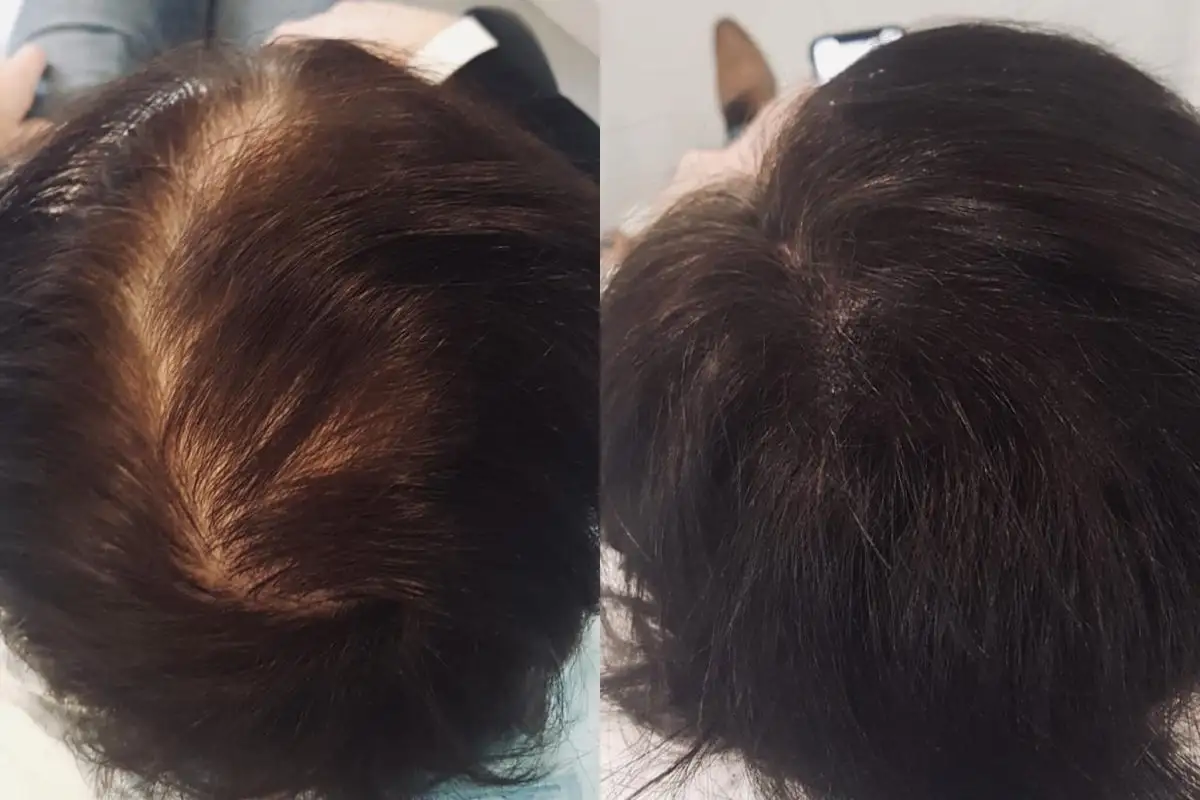
- Poor sleep can disrupt the thyroid and androgen hormones, leading to thinning hair or hair loss.
- Improved Blood Circulation to Scalp
- Deep sleep enhances circulation, which brings more nutrients and oxygen to hair follicles.
- Reduced Hair Breakage and Shedding
- Chronic sleep deprivation increases stress hormones like cortisol.
- High cortisol levels are linked with telogen effluvium (a condition that causes temporary hair loss).
The Role of Sleep Cycles in Beauty
Sleep occurs in cycles of approximately 90 minutes. You need at least 4 to 5 complete cycles per night (6–8 hours) to reap full benefits:
- First Half of the Night: Physical repair, skin and hair regeneration.
- Second Half of the Night: Mental restoration, stress reduction, and hormonal regulation.
If you want to learn about the effect of nutrition on skin and hair, read the article The Impact of Nutrition on Skin and Hair Health.
What Happens to Skin and Hair When You Don’t Sleep Enough
Lack of quality sleep has both immediate and long-term effects on your appearance:
Short-Term Effects:
- Puffy eyes and dark circles
- Dull and pale complexion
- Increased skin sensitivity
Long-Term Effects:
- Accelerated aging
- Hair thinning
- Weakened skin barrier
- Increased breakouts
Tips for Maximizing The Effect of Sleep on Skin and Hair Health
Here are actionable tips to ensure your sleep works for your beauty:
Bedtime Routine for Radiant Skin and Healthy Hair
- Cleanse thoroughly: Remove makeup, sweat, and pollutants.
- Apply a hydrating serum or night cream: Boosts skin repair while you sleep.
- Use a silk pillowcase: Reduces hair breakage and prevents wrinkles.
- Avoid screens an hour before bed: Blue light suppresses melatonin production.
Nutrition and Hydration Before Bed
- Drink a glass of water to keep your skin hydrated.
- Eat sleep-promoting foods like almonds, bananas, and oats.
How Many Hours of Sleep Is Ideal?
The optimal amount of sleep varies by age and lifestyle, but most adults need 7–9 hours of quality sleep per night. Less than six hours of sleep regularly can negatively affect your skin and hair.

Scientific Evidence Supporting the Effect of Sleep on Skin and Hair Health
Numerous studies confirm the link between sleep and appearance:
- A 2013 study by the University of Stockholm found that sleep-deprived people are perceived as less attractive and less healthy.
- Research in the journal Clinical and Experimental Dermatology concluded that good sleepers recover better from UV exposure and maintain a stronger skin barrier.
The Role of Stress, Sleep, and Hair Loss
Sleep and stress are deeply interconnected. When you’re sleep-deprived, your body is under constant stress, and chronic stress causes:
- Increased hair shedding
- Scalp inflammation
- Slower hair growth
Practicing mindfulness, deep breathing, and consistent sleep schedules can reduce this impact significantly.
Conclusion
The effect of sleep on skin and hair health is undeniable. A restful night’s sleep is the most affordable, natural, and effective beauty treatment available. From strengthening your hair follicles to smoothing your skin texture and restoring your glow, sleep should be your top priority in any beauty regimen. So tonight, instead of another hour on your phone, choose an extra hour of sleep—your skin and hair will thank you.
Frequently Asked Questions
- How many hours of sleep do I need for healthier skin?
Ideally, 7–9 hours of uninterrupted sleep help promote optimal skin repair and glow.
- Can poor sleep cause hair loss?
Yes. Chronic sleep deprivation raises cortisol levels, which can lead to hair shedding.
- What is the best sleep position for skin health?
Sleeping on your back reduces facial compression and prevents wrinkles.
- Is sleeping with makeup bad for the skin?
Absolutely. It clogs pores, leads to breakouts, and prevents skin regeneration.
- Does melatonin help with skin and hair?
Yes. Melatonin helps regulate sleep and has antioxidant properties that benefit both skin and hair.
- What foods help me sleep better for glowing skin?
Foods rich in magnesium and tryptophan like bananas, almonds, and oats improve sleep quality.
- Can lack of sleep cause acne?
Yes. Poor sleep increases inflammation and stress, both of which can trigger acne.
- Do sleep masks or blackout curtains improve skin and hair health?
Yes. They improve sleep quality by blocking light, helping your body produce more melatonin.
- What role does hydration play during sleep?
Proper hydration supports skin elasticity and prevents dryness while you sleep.
- Can beauty sleep really make me look younger?
Yes. Sleep enhances collagen production, reduces puffiness, and prevents premature aging.