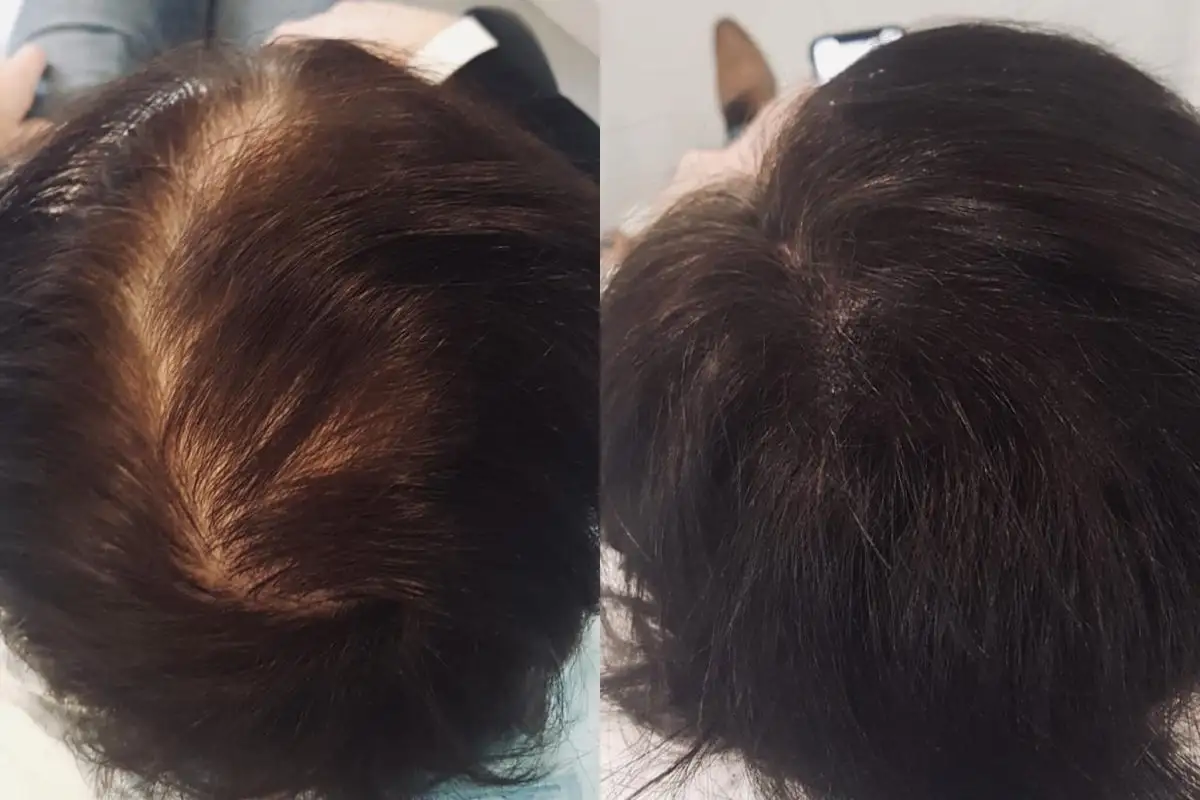


Your first clinic visit is easier to navigate when you know what you want to discuss and bring the information that helps the clinician understand your needs. You do not need to arrive with a diagnosis, a preferred procedure, or a detailed understanding of medical terminology. A useful consultation begins with your concerns and leads to a clear explanation of the next steps. Whether you are considering dental care, discussing a skin concern, or asking about hair restoration, a little preparation can help you make better use of the appointment.
This guide to preparing for your first clinic visit in Muscat covers what to ask when booking, which information to bring, and how to leave with a plan you understand. It is intended for anyone arranging an initial consultation, including people who feel uncertain about where to begin. The aim is to make the conversation more useful and give you a practical way to compare the options discussed.
Start with the concern you want help with
Before booking, write down the main reason for your visit in one or two sentences. Describe what you have noticed, how long it has been present, and how it affects you. For a dental appointment, that might mean discomfort when chewing or concern about the appearance of a tooth. For a skin or hair appointment, it might mean a recurring patch, a change in hair volume, or questions about a previous treatment.
A clear description is more useful than choosing a treatment name from social media. If you have several concerns, put them in order of importance. This helps you and the clinician focus on the issue that matters most while deciding whether the other concerns need separate appointments.
Ask what type of appointment to book
When contacting a clinic, explain your concern and ask which consultation is appropriate. Confirm whether you are booking an assessment, a follow-up, or a treatment session. These appointments may involve different preparation and different amounts of time. Do not assume that booking a consultation automatically includes a procedure on the same day.
Ask about the appointment fee, the clinician you will see, and any instructions you need to follow beforehand. If you have accessibility needs, require language support, or want someone to accompany you, mention this while booking. Clarifying the practical details early can prevent confusion when you arrive and helps the clinic prepare for your visit.
Bring a clear medication and health history
Prepare a list of your current medicines, including prescriptions, products bought without prescription, and supplements. If you are unsure of a name or dose, bring the packaging or a clear photograph of the label. Include known allergies and describe what happened when you had a previous reaction. A simple record on your phone is enough; it does not need to be a formal document.
Tell the clinician about relevant medical conditions, previous procedures, and current treatment from another provider. Mention pregnancy or breastfeeding when applicable. Do not change or stop a prescribed medicine simply to prepare for an appointment unless the clinician responsible for your care has specifically instructed you to do so.
Organize previous records and photographs
If you have relevant reports, dental records, or information about earlier treatments, ask the clinic whether these would be useful. You do not need to collect every health document you have ever received. Select the records that relate to the concern you are discussing, and keep the dates visible so the clinician can understand the sequence.
Photographs can help explain a change that is not obvious on the day of the appointment. Choose a small number showing the issue at different times, preferably under similar lighting. Avoid filters or edits that alter the appearance. If you have used a skin or hair product, a photograph of its ingredients may be more informative than remembering its advertising claims.
Explain your goals in everyday language
Think about what you would like to improve and what would count as a useful result. Your goal might be feeling more comfortable, understanding a recurring problem, maintaining oral health, or discussing a cosmetic change. There is no need to use technical language. Describing your priorities clearly helps the clinician explain which options are relevant.
If you bring a reference photograph for an aesthetic consultation, explain what you like about it rather than requesting an exact copy. Ask which changes are realistic in your circumstances. Also share any concerns about discomfort, recovery, cost, or time away from work. These practical priorities belong in the discussion alongside the desired outcome.
Use the consultation to understand the recommendation
During the appointment, ask the clinician to explain the assessment and the purpose of each recommendation. If a test or procedure is suggested, ask what question it will answer or what problem it is intended to address. You should understand why the next step fits your situation.
Useful questions include whether there are alternatives, whether monitoring is reasonable, and how the response will be reviewed. If several treatments are suggested together, ask why each one is included and whether the plan can be completed in stages. A clear explanation makes it easier to consider the recommendation without relying only on the name of a treatment or the appearance of promotional photographs.
Discuss the full cost before making a decision
Ask for a breakdown of the expected costs, including the initial appointment, any investigations, treatment sessions, and follow-up visits. Clarify whether recommended home products are included or charged separately. If the number of sessions depends on your response, ask how that uncertainty affects the estimate.
For insured care, check coverage with your insurer and ask which documents may be required. Avoid assuming that a consultation fee covers everything discussed during the visit. A written estimate can help you review the plan afterward. The point is to understand the likely commitment before deciding, especially when treatment involves several appointments rather than a single visit.
Plan around your actual schedule
If treatment is being considered, tell the clinician about work, travel, family responsibilities, and upcoming events. Ask whether any preparation, aftercare, or review appointments would affect those plans. Do not assume that all treatments have the same recovery requirements, even when they are described as simple or minimally invasive.
Before agreeing to a date, check that you can follow the instructions you are given and attend any necessary review. If you will be away from Muscat soon afterward, mention this in advance. Planning the whole course of care is more useful than selecting a convenient treatment date and discovering later that the follow-up arrangements do not fit your schedule.
Make sure you know how to follow up
Before leaving, ask for the next steps in a form you can refer to later. This may include appointment details, product instructions, test arrangements, or a treatment plan. Check who to contact if you have questions and when you should expect to hear about any results.
If a treatment is carried out, ask which symptoms require advice and how to obtain help outside the usual appointment schedule. Confirm the instructions that apply to your specific treatment rather than relying on a general online guide. A useful plan tells you what to do, when to do it, and who will review your progress. If any part remains unclear, ask for clarification before you leave.
You can take time to consider your options
A first consultation can provide information without requiring you to decide on every recommendation immediately. If a proposed treatment is elective, ask whether you can review the plan at home and return with questions. If the clinician advises prompt care, ask them to explain the reason and the appropriate timeframe.
After the appointment, write down what you understood and any questions that remain. Compare options by their purpose, expected benefit, limitations, and practical requirements. Price alone does not explain whether an option is appropriate. If you seek another opinion, share the relevant findings and previous recommendations so the next conversation builds on the information already available.
Preparing for a visit to René Polyclinic in Muscat
René Polyclinic lists services in dentistry, cosmetic dermatology, and hair restoration. If you are unsure which appointment suits your concern, contact the clinic and describe what you would like help with. Check current appointment availability, fees, and preparation instructions directly before attending.
Bring your main questions, a current medication list, and any relevant records. Your preparation does not need to be extensive. The most useful first visit is one in which you can explain your concern, understand the assessment, and leave knowing what happens next. A clear conversation provides the foundation for choosing care that fits both your needs and your daily life.