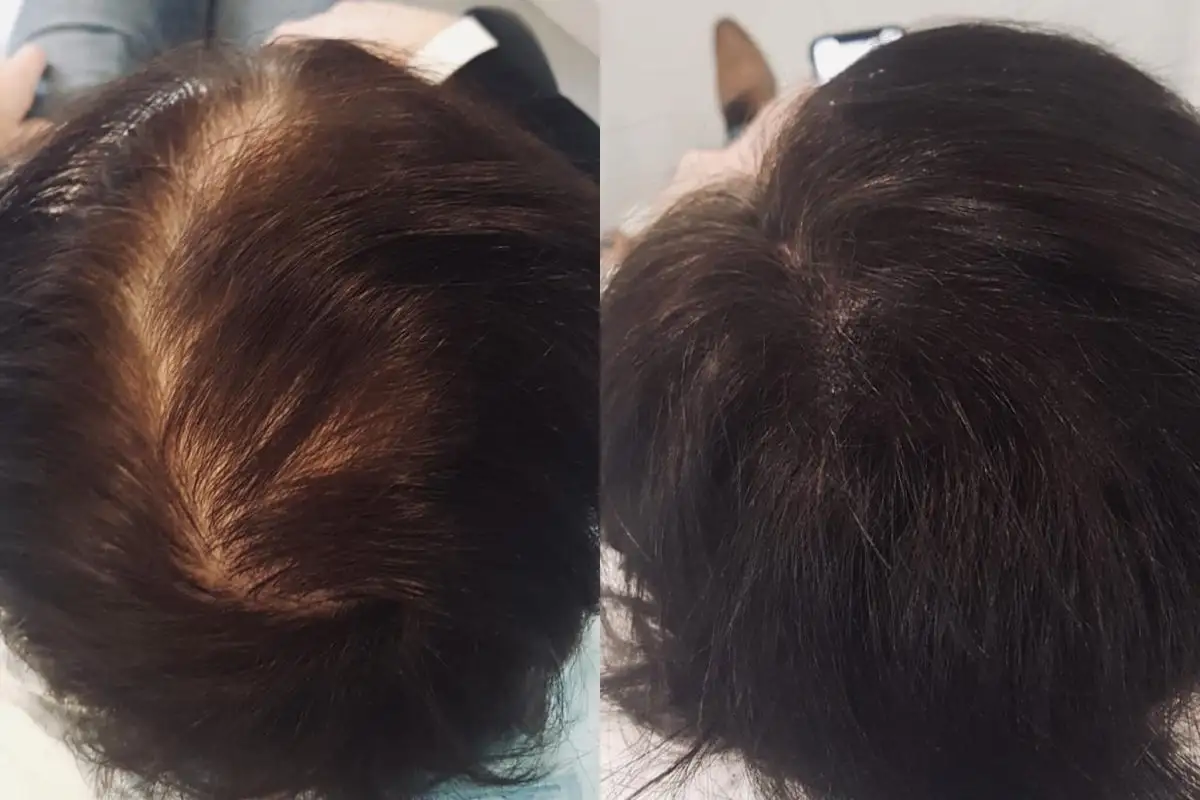

Hair loss is a common concern affecting millions of men and women worldwide. Whether caused by genetics, hormonal changes, or aging, thinning hair can significantly affect a person’s appearance and self-confidence. Fortunately, modern hair transplant techniques offer an effective, long-lasting solution for suitable candidates seeking natural-looking hair restoration.
With advancements in medical technology, hair transplant surgery has become more precise, allowing specialists to restore hairlines and improve hair density while maintaining a natural appearance.
In this comprehensive guide, we explore everything you need to know about hair transplantation, including available techniques, benefits, recovery, costs, and expected results.
What Is a Hair Transplant?
A hair transplant is a surgical procedure that involves transferring healthy hair follicles from one area of the scalp, typically the back or sides of the head, to areas experiencing hair thinning or baldness.
The area where follicles are collected is known as the donor area, while the location receiving the transplanted follicles is called the recipient area.
Unlike temporary cosmetic solutions, hair transplantation uses your own natural hair follicles to encourage long-term hair growth.
The procedure is commonly performed to address male pattern baldness, female pattern hair loss, and selected cases of hair loss caused by scarring.
However, not everyone experiencing hair loss is a suitable candidate. A professional medical evaluation is essential before undergoing surgery.
Types of Hair Transplant Procedures
Modern hair restoration clinics primarily use two established surgical techniques: Follicular Unit Extraction (FUE) and Follicular Unit Transplantation (FUT).
1. FUE Hair Transplant
FUE hair transplant is a widely used technique in which individual follicular units are extracted directly from the donor area and implanted into areas experiencing hair loss.
Benefits of FUE include:
-
No long linear donor scar
-
Small extraction sites
-
Flexibility in hairline design
-
Natural-looking results when performed correctly
-
Suitability for patients who prefer shorter hairstyles
Although FUE avoids a linear scar, it still produces small scars at extraction sites.
2. FUT Hair Transplant
Follicular Unit Transplantation, also known as the strip method, involves removing a narrow strip of scalp tissue from the donor area.
The strip is carefully divided into individual follicular units, which are then transplanted into the recipient area.
FUT may be suitable for patients requiring larger numbers of grafts or those with particular donor-hair characteristics.
The main difference between FUE and FUT is how the hair follicles are harvested. Both techniques can achieve natural-looking results when performed by qualified specialists.
Who Is a Good Candidate for Hair Transplant Surgery?
Not every individual experiencing hair loss requires surgical treatment.
The ideal candidate for hair transplant surgery generally has sufficient healthy donor hair, a suitable pattern of hair loss, and realistic expectations regarding the final outcome.
Suitable candidates may include individuals who:
-
Experience hereditary pattern hair loss
-
Have adequate donor hair density
-
Are in generally good health
-
Have stable or appropriately managed hair loss
-
Understand the limitations of hair restoration surgery
Age is another important consideration. Younger patients experiencing rapidly progressing hair loss may benefit from medical treatment before considering surgery.
A qualified dermatologist or hair transplant surgeon can assess the scalp, identify the underlying cause of hair loss, and recommend an individualized treatment plan.
How Does the Hair Transplant Procedure Work?
Hair transplantation generally involves several stages, each contributing to the final outcome.
Initial Consultation
The process begins with a comprehensive scalp examination. The specialist evaluates the extent of hair loss, donor hair quality, medical history, and treatment expectations.
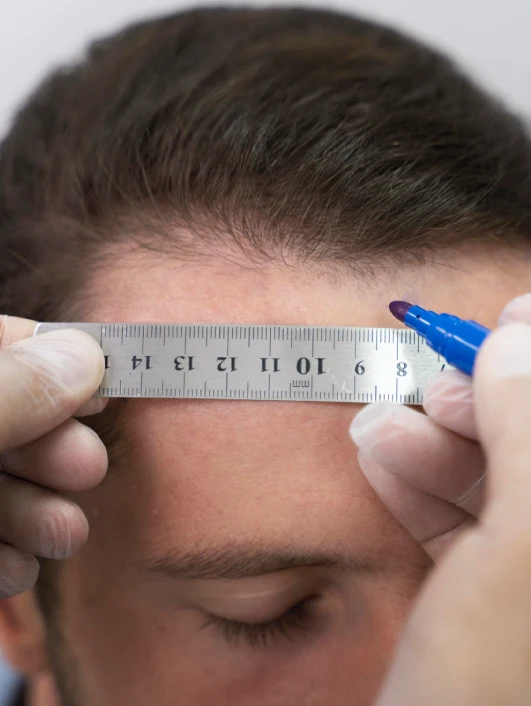
Hairline Design
Creating a natural-looking hairline is one of the most important aspects of successful hair restoration.
The specialist considers facial proportions, age, existing hair characteristics, and the possibility of future hair loss.
Follicle Extraction
Hair follicles are carefully harvested from the donor area using the selected surgical technique.
Graft Implantation
The extracted follicles are placed into the recipient area, considering the direction, angle, and distribution of natural hair growth.
Postoperative Care
Following surgery, patients receive specific instructions regarding scalp cleaning, sleeping positions, physical activity, and follow-up appointments.
Most procedures are performed under local anesthesia, although the duration varies depending on the number of grafts and surgical approach.
Hair Transplant Recovery and Results
Understanding the hair transplant recovery timeline helps patients develop realistic expectations.
During the first several days, mild swelling, redness, tenderness, and small scabs may appear around the treated areas.
These symptoms are commonly temporary, although recovery varies between individuals.
One important part of the recovery process is temporary hair shedding, sometimes called shock loss.
Transplanted hair shafts commonly shed within the first several weeks after surgery. This does not necessarily indicate that the transplanted follicles have failed.
New growth usually begins appearing after several months.
Many patients notice visible improvement between six and nine months, while fuller results may require 12 to 18 months.
The final outcome depends on factors including hair characteristics, donor quality, graft survival, surgical technique, and individual healing.
How Much Does a Hair Transplant Cost?
The hair transplant cost varies significantly depending on several factors.
These include the number of grafts required, the technique selected, the surgeon’s experience, clinic location, and complexity of treatment.
Some clinics calculate pricing according to the number of grafts, while others offer comprehensive treatment packages.
However, choosing a clinic based exclusively on price may increase the risk of disappointing results or complications.
Patients should prioritize medical qualifications, safety standards, transparent pricing, and appropriate postoperative care.
A personalized consultation is the most reliable way to obtain an accurate cost estimate.
Are Hair Transplant Results Permanent?
Hair transplantation can provide long-lasting results because the follicles are generally collected from areas more resistant to hereditary hair loss.
However, the procedure does not prevent existing non-transplanted hair from continuing to thin.
For this reason, some patients may require additional medical treatment to maintain their overall hair density.
A dermatologist may recommend treatments such as minoxidil or finasteride when appropriate, depending on the patient’s medical circumstances.
Long-term planning is particularly important for younger individuals with progressive hair loss.
Risks and Possible Side Effects
Although hair transplant surgery is generally considered safe when performed by qualified medical professionals, it is still a surgical procedure.
Possible complications include infection, bleeding, swelling, scarring, temporary numbness, uneven growth, or poor graft survival.
Proper patient selection, careful surgical planning, and adherence to postoperative instructions can help reduce these risks.
Patients should contact their treating clinic if they experience severe pain, increasing redness, unusual discharge, or unexpected symptoms.
Frequently Asked Questions About Hair Transplants
Is a hair transplant painful?
Hair transplantation is usually performed under local anesthesia, which minimizes discomfort during surgery. Mild soreness or tenderness may occur afterward.
How long does a hair transplant take?
The procedure often takes approximately four to eight hours, depending on the number of grafts and the surgical technique.
When can I return to work after a hair transplant?
Many patients return to work within one to two weeks, although recovery recommendations depend on the procedure and the nature of their job.
Can women undergo hair transplant surgery?
Yes. Women with certain types of hair loss may benefit from transplantation, provided they have sufficient donor hair and an appropriate diagnosis.
Will transplanted hair look natural?
Natural-looking results are possible when the surgeon carefully plans the hairline, graft placement, density, and direction of hair growth.
Final Thoughts: Is Hair Transplant Worth It?
A hair transplant can be an effective solution for individuals seeking to restore thinning hair and achieve a fuller, more natural-looking appearance.
However, successful hair restoration requires more than advanced technology. Proper diagnosis, experienced medical professionals, realistic expectations, and personalized treatment planning are essential.
Whether you are considering FUE or FUT, understanding the procedure and recovery process will help you make an informed decision.
Ready to explore your hair restoration options? Schedule a professional hair transplant consultation to assess your hair loss, discuss suitable treatment methods, and receive a personalized hair restoration plan.